
Our Top Picks
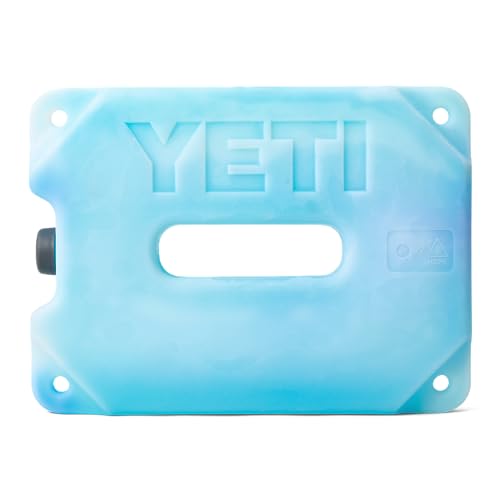 YETI ICE Block Refreezable Reusable Cooler Ice Pack4 lb10.75 x 8 x 1.6 Inches4 PoundsCheck on Amazon
The best ice packs for fishing coolers are sub-freezing hard-shell packs rated around 16–18°F, used together with a layer of crushed ice or slush around the fish, because packs alone cannot wrap around a fillet or a whole fish the way ice does. Packs keep the cooler cold and dry for drinks, bait, and lunch; ice and slush do the job of pulling heat out of the catch quickly. If you only buy one thing, buy enough frozen mass: about 1 lb of packs for every 3–4 quarts of cooler space on a hot day on the water.
Why Fish Need Different Cooling Than Drinks
A freshly caught fish is warm, wet, and loaded with enzymes and bacteria that start breaking down the flesh within minutes. The goal is to drop its core temperature toward 32°F as fast as possible. That takes contact cooling across the whole body, which loose ice or an ice slurry provides and rigid packs do not. Packs shine at a different job: holding the cooler’s overall temperature down for hours without filling it with meltwater, and keeping bait fresh without drowning it.

YETI ICE Sheet Refreezable Reusable Cooler Ice Pack, Large
Chosen because it specifies Large.
View on AmazonYETI ICE Block Refreezable Reusable Cooler Ice Pack, 4 lb
Chosen because it specifies 4 lb.
View on Amazon

Many anglers run a two-zone approach: packs in a drink and bait cooler, and a fish box or fish bag loaded with ice, with a couple of sub-zero packs added to stretch the ice life.
Ice Pack Types Compared for a Fish Cooler
| Type | Freeze / surface temp | Typical size | Approx. hold in a 50-qt hard cooler (12 lb, 90°F day) | Best use | Usual price range |
|---|---|---|---|---|---|
| Standard hard-shell (water-based) | 32°F | 1–4 lb per pack | 1.5–2.5 days | Drinks, lunch, general cooler | usually $15–$35 per pack |
| Sub-zero hard-shell (salt or phase-change) | about 16–18°F | 1–3 lb per pack | 2–3 days, colder interior | Fish box helper, keeping ice frozen longer | usually $25–$45 per set |
| Soft gel packs | about 30–32°F | 0.5–1.5 lb | 1 day | Small bait coolers, lunch bags | usually $10–$25 per set |
| Hydrate-and-freeze sheets (often sold as “dry ice packs”) | 32°F | Sheets of 12–24 cells | About 1 day | Wrapping bait trays or bagged fillets | usually $10–$25 per set |
| Real dry ice (frozen CO2) | -109°F | Blocks or pellets, 5–10 lb | 1–2 days before sublimating away | Long trips, keeping fish frozen | usually $1–$3 per lb |
Hold times assume a pre-chilled, shaded rotomolded cooler opened regularly. A thin-wall cooler sitting in full sun on a boat deck can lose ice two to three times faster.
“Dry Ice Packs” vs Real Dry Ice
The phrase “dry ice packs” confuses a lot of buyers. Most products sold under that name are dehydrated polymer sheets: you soak them in water, they swell into a grid of cells, and then you freeze them. They are flexible, reusable, and drip-free, but they are ordinary 32°F water ice inside a film.
Real dry ice is solid carbon dioxide at about -109°F. It turns directly into gas as it warms, so it leaves no water at all and can freeze fish solid. That makes it useful on multi-day offshore or fly-in trips, but it needs care:
- Handle it with insulated gloves; it causes frostbite-like burns on contact.
- Never seal it in an airtight container. CO2 gas builds pressure, and cooler lids with tight gaskets should be cracked or vented.
- Keep it out of closed cabins and vehicles without airflow, since CO2 displaces oxygen.
- Wrap it in newspaper or cardboard and place it on top of the load, separated from fish you do not want frozen.
- Check that your cooler maker allows dry ice; some plastics can crack at very low temperatures.
How Much Cooling Mass for a Fishing Day
| Cooler size | Half-day trip, mild weather | Full day, 85–95°F | Multi-day trip |
|---|---|---|---|
| 25–30 qt | 5 lb packs | 6–8 lb packs plus 5 lb ice | Not ideal; size up |
| 45–55 qt | 8–10 lb packs | 12–15 lb packs plus 10 lb ice | 15 lb packs, ice top-ups, or dry ice |
| 65–75 qt | 12 lb packs | 18–22 lb packs plus 15–20 lb ice | 20+ lb packs plus dry ice layer |
Worked example: a full day of inshore fishing in August with a 50-qt cooler. Load three 3 lb sub-zero packs on the bottom, add a 10 lb bag of crushed ice on top, and keep the cooler shaded under a console or towel. Fish go straight into the crushed ice. The packs keep the ice from melting quickly, and by late afternoon you still have enough slush to keep the catch near 32°F on the drive home.
Best Practice for Keeping the Catch Fresh
- Pre-chill the cooler the night before with a sacrificial bag of ice. A warm cooler can burn through a third of your ice.
- Bleed and ice quickly. For species where it is common practice, bleeding and immediately icing gives firmer, cleaner-tasting fillets.
- Make a slurry for saltwater fish. Crushed ice mixed with seawater chills fish faster than ice alone because liquid contacts the whole body. Keep the ratio around two parts ice to one part water.
- Layer, do not pile. Alternate ice and fish so no fish is lying against another warm fish.
- Use packs to protect the ice. Lay sub-zero packs on top of the ice layer; cold sinks, so the packs slow melt across the whole load.
- Drain meltwater from fresh fish coolers so fillets do not soak in warming water, unless you are intentionally running a saltwater slurry.
Choosing Long Lasting Cooler Ice Packs
- Shell toughness: rigid polyethylene shells survive boat decks, dropped gear, and fish spines. Soft packs can puncture and leak blue gel onto your catch.
- Shape: long, flat packs line the bottom of a fish box; thick blocks last longer in a drink cooler.
- Freeze requirement: sub-zero packs need a freezer at about 0°F for 24–48 hours. Pull them out the night before and you will be disappointed.
- Cleaning: after fish trips, wash packs with soap and a mild bleach solution, rinse well, and dry before refreezing to avoid odors.
Bottom Line
Use packs for what they do best, steady cold with no mess, and use crushed ice or a slurry for what packs cannot do, which is fast contact cooling of the fish itself. Sub-zero hard-shell packs paired with ice give the longest life for a day on the water, and real dry ice is a strong tool for multi-day trips as long as you handle and vent it properly.

Write Your Review
No reviews yet. Be the first to share your experience!