
The Texas rig is a cornerstone of bass fishing, renowned for its versatility, weedless nature, and ability to entice bites from even the most finicky predators. Whether you’re a seasoned angler or just starting out, mastering the Texas rig will undoubtedly enhance your success on the water. This guide will walk you through the essential steps of rigging a Texas rig, from selecting the right components to the final presentation, ensuring you’re well-equipped for your next bass fishing adventure in 2026.
Its simplicity belies its effectiveness, allowing anglers to navigate through thick cover like lily pads, submerged vegetation, and laydowns where bass often find refuge. By understanding the nuances of rigging and lure selection, you can unlock a powerful technique that consistently puts bass in the boat.
Our top picks
 Texas-Rigs-for-Bass-Fishing-Leaders-with-Weights-Hooks-Rigged-Line-KitCheck price on Amazon


As an Amazon Associate we earn from qualifying purchases at no extra cost to you.
⚡ Save on Your Next PC — Amazon Prime
Prime members get fast free shipping on the systems above, plus early access to Prime Day & Black Friday PC deals. New members get a 30-day free trial.
Watch: How to Rig a Texas Rig for Bass Fishing — Video Review
Choosing Your Components
The foundation of a successful Texas rig lies in selecting the appropriate components. The lure, hook, and weight are the three primary elements, and their synergy is crucial for optimal performance.
- Soft Plastic Lure: The options are nearly limitless, but popular choices include crawfish imitations, ribbon tail worms, creature baits, and Senkos. The size and profile of your lure should match the forage base in your target waters and the feeding mood of the bass. For instance, a bulkier bait might be effective for aggressive, actively feeding bass, while a more subtle presentation could be better for pressured or finicky fish.
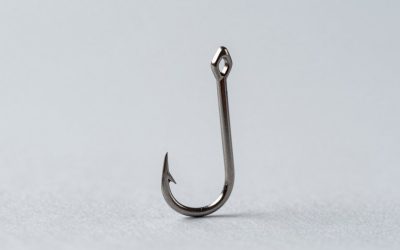
- Offset Worm Hook: These hooks are designed with an angled bend that allows the plastic to be securely threaded onto the shank. The “offset” refers to the angle of the point relative to the shank, which helps to keep the bait nose-hooked and weedless. Hook sizes typically range from 1/0 to 5/0, with 3/0 and 4/0 being common choices for many bass fishing scenarios.
- Bullet Weight: The bullet shape of these weights allows them to slip through cover with minimal snagging. Weights can range from 1/16 ounce to 1 ounce or more, depending on the depth of water, the presence of current, and the desired fall rate of your bait. Lighter weights (1/8 to 1/4 ounce) are excellent for finesse presentations in shallower water, while heavier weights (3/8 to 1/2 ounce) are ideal for deeper water or windy conditions. The XFISHMAN Texas Rigs for Bass Fishing – Leaders with Weights, Hooks, Rigged Line Kit (3/0 Hooks, 1/4 oz Weight, 5pcs) and Texas-Rigs-for-Bass-Fishing-Leaders-with-Weights-Hooks-Rigged-Line-Kit (4/0 Hooks-3/8 oz Weight-5pcs) offer convenient pre-matched options.
- Line: Braided line (20-50 lb test) is often preferred for its sensitivity and strength, allowing you to feel subtle bites and pull fish out of heavy cover. However, fluorocarbon line (10-20 lb test) can be a good choice for a more natural presentation and reduced visibility in clearer waters.
Rigging the Texas Rig: Step-by-Step
Rigging a Texas rig is a straightforward process once you understand the mechanics. The goal is to create a weedless presentation where the hook point is embedded within the soft plastic, preventing snags while ensuring a high hook-up ratio.
- Insert the Weight: If you are using a bullet weight that is not already integrated into a pre-rigged kit like the Vipfish Texas Rigs 10 Pack, slide the weight onto your fishing line. Ensure it sits snug against the knot or swivel. Many pre-rigged kits, like those from DEKESIN 18 Pack Hand Tied Bass Fishing Rigs, incorporate the weight directly.
- Thread the Hook: Insert the point of your offset worm hook into the very tip of your soft plastic lure. Push the hook point through the plastic, ensuring it goes slightly into the lead of the bait.
- Bring the Hook Out: Carefully pull the hook eye through the plastic until the bend of the hook is snug against the lure. Then, bring the hook point back out of the side of the lure, burying it securely into the plastic. The goal is to have the hook point flush with the surface of the plastic, making it weedless.
- Check for Weedlessness: Gently pull the line taut to ensure the hook point is completely embedded and not exposed. If the point is sticking out, re-bury it deeper into the plastic. The DAMIDEL 10Pcs Fishing Bullet Weights Texas Rigs Ready Kit offers components for those who prefer to rig their own.
Variations and Adjustments
While the standard Texas rig is incredibly effective, there are several variations and adjustments you can make to fine-tune your presentation based on conditions and bass behavior.
- Bullet Weight Size: As mentioned, the weight size is critical. Experiment with different weights to achieve the desired fall rate. A faster fall can trigger reaction bites, while a slower, more natural fall might entice neutral or less aggressive bass. The Texas-Rigs-for-Bass-Fishing-Leaders-with-Weights-Hooks-Rigged-Line-Kit (2/0 Hooks-1/4 oz Weight-5pcs) is a good starting point for lighter applications.
- Hook Size and Type: While offset worm hooks are standard, consider using EWG (Extra Wide Gap) hooks for larger soft plastics or when dealing with thicker-bodied baits, as they offer more gap for better hook-ups. Adjust the hook size to match the lure size and the mouth size of the bass you are targeting.
- Adding Extras: Some anglers incorporate glass beads between the weight and the lure to create a subtle rattling sound that can attract bass. Spinner blades can also be added to the rig to increase flash and vibration.
When to Use the Texas Rig
The Texas rig shines in a variety of situations, making it a go-to choice for bass anglers throughout the year.
- Cover and Structure: Its weedless nature makes it perfect for fishing around heavy cover such as lily pads, matted grass, laydowns, docks, and riprap. Bass use these areas for protection and ambush prey, and the Texas rig allows you to present your lure directly to them without constant snags.
- All Water Depths: From shallow flats to deep structure, the Texas rig can be adapted for any depth. Adjusting your weight size and retrieve speed will allow you to effectively cover the entire water column.
- Varying Water Clarity: The Texas rig is effective in both clear and stained water. In clear water, a more natural-colored bait and perhaps fluorocarbon line might be beneficial. In stained or muddy water, brighter colors and a faster fall rate can help bass locate your offering.
Tips for Success
- Feel the Bite: The Texas rig offers excellent sensitivity. Pay close attention to your line for any subtle twitches, taps, or sudden slack, which are all indicators of a bite.
- Sharp Hooks are Key: Always ensure your hook is sharp. A dull hook can lead to missed fish. Regularly check and sharpen your hooks, or replace them as needed.
- Experiment with Baits: Don’t be afraid to try different soft plastic shapes, sizes, and colors. What works one day might not work the next, so have a variety on hand.
- Set the Hook Firmly: When you detect a bite, set the hook with a firm, sweeping motion. Since the hook point is buried in the plastic, you need to drive the hook point through the plastic and into the bass’s mouth.
Frequently Asked Questions
What is the best hook size for a Texas rig?
The best hook size depends on the size of your soft plastic lure and the size of the bass you are targeting. Generally, a 3/0 to 4/0 offset worm hook is a versatile choice for most bass fishing applications with standard-sized soft plastics.
Should I use a weight on my Texas rig?
Yes, a weight is essential for a Texas rig to get your bait down to the bottom and provide a natural fall. The weight size should be adjusted based on water depth, current, and wind.
How do I make my Texas rig weedless?
To make your Texas rig weedless, ensure the hook point is completely buried into the soft plastic lure after threading it onto the hook. The point should be flush with the surface of the plastic, preventing it from snagging on vegetation or other underwater debris.
Can I use a Texas rig for other types of fishing?
Absolutely. While it’s a staple for bass fishing, the weedless nature and versatility of the Texas rig make it effective for catching other predatory freshwater species like walleye, pike, and even some saltwater species in shallow, covered areas.
Conclusion
The Texas rig is an indispensable tool in any bass angler’s arsenal. Its inherent weedlessness, coupled with its adaptability to various conditions and lure choices, makes it a consistently effective method for catching bass. By understanding the components, mastering the rigging technique, and knowing when and how to deploy it, you’ll be well on your way to increasing your catch rates and enjoying more successful days on the water.



Write Your Review
No reviews yet. Be the first to share your experience!