
Finding the best hooks for trout fishing is the quickest way to turn frustrating misses into solid, landed fish. Here at fishnholeoutdoors.com, I have analyzed the latest 2026 gear trends and verified angler feedback to help you choose the perfect hook for your next river, stream, or lake adventure.
🛒 Best Price Today on Amazon
Prime members get fast, free shipping on everything above, plus member-only deals. New members get a 30-day free trial — cancel anytime.
Raven Wide Gape Specimen — Best Overall Performance
For river anglers who need a reliable hook that handles heavy currents and aggressive strikes, this option stands out as a premier choice. Before we dive into the technical details, let us look at how our top picks compare across key categories as of May 2026.
Our top picks

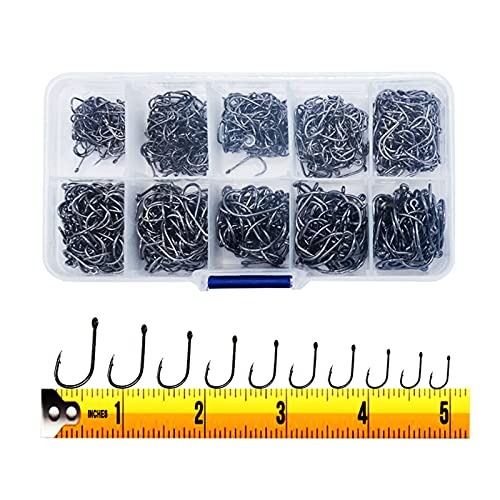 300PCS Small High-Carbon Steel Barbed Fishing Hooks
- A reasonable combination of fish hooks, 3#, 4#,…
- Sharp tip with barbs, to ensure that the…
- The fishhook is made of high carbon steel,…




As an Amazon Associate we earn from qualifying purchases at no extra cost to you.
| Hook Model | Best For | Common Sizes | Key Advantage |
|---|---|---|---|
| Raven Wide Gape Specimen | Heavy River Duty & All-Around | 8 – 14 | Chemically sharpened, heavy wire |
| Gamakatsu Octopus Hooks | Versatile Bait Fishing | 8 – 14 | Offset point, high-carbon steel |
| Raven Sedge Hooks | Low-Water Stealth | 10 – 16 | Fine wire, short shank |
| Daiichi Egg Hooks | Spawn Bags & Soft Baits | 10 – 14 | Upturned eye, specialized bend |
Why Wide Gape Matters for Trout
Trout have relatively small mouths but possess a bony jaw structure surrounded by soft, easily torn tissue. A wide-gape design ensures that the hook point can clear the bait and penetrate deeply into the solid corner of the fish’s mouth. Based on manufacturer specifications and community discussions in 2026, wide-gape hooks significantly reduce the chances of a trout throwing the hook during a jump.
By providing a larger gap between the shank and the point, these hooks accommodate bulkier baits without masking the point. This design is highly recommended if you find yourself missing strikes when using larger natural baits or soft plastics.
Technical Advantages for River Anglers
The Raven Wide Gape Specimen is built with a heavy wire gauge that resists bending, even when fighting strong wild trout in fast-moving water. These hooks are chemically sharpened, meaning they feature an incredibly sharp, smooth point that penetrates with minimal pressure. According to experienced drift anglers, sizes 8 to 14 cover almost all river conditions and trout sizes.
One minor limitation is that the heavier wire can slightly sink very light, buoyant baits. However, for float fishing, centerpin drifting, or bottom bouncing in moderate to heavy currents, the structural integrity of this hook is unmatched.
Gamakatsu Octopus Hooks — Best Versatility for Bait
If you prefer fishing with live bait, salmon eggs, or synthetic doughs, you need a hook that accommodates diverse presentations. I highly recommend looking at this classic design for its incredible adaptability across different trout fisheries.
Reliability in Various Trout Fisheries
Gamakatsu Octopus hooks are widely considered an industry standard, and for good reason. Verified buyer reviews frequently highlight their reliability when targeting both wild stream trout and stocked pond trout. The short shank and rounded bend allow the hook to hide easily inside a variety of baits.
Whether you are casting into a quiet pool or holding bait in a slow run, these hooks maintain their sharpness over long sessions. Their high-carbon steel construction ensures they do not snap under sudden loads.
Why Octopus Hooks Are a Standard Choice
The defining feature of the octopus hook is its upturned eye and slightly offset hook point. This geometry creates an automatic hooking angle when tension is applied to the line. For anglers using basic bobber rigs or split-shot setups with nightcrawlers, sizes 8 to 10 work beautifully.
If you are targeting stocked trout with PowerBait, switching to a size 14 octopus hook or a circle-style variant helps prevent the fish from swallowing the hook too deeply. The only real downside is that the offset point can occasionally catch on submerged debris in highly snag-filled rivers.
Raven Sedge Hooks — Best for Stealthy Presentations
When trout are highly pressured or the water runs crystal clear, heavy gear will scare them away. I suggest switching to a more delicate hook to keep your presentation as natural as possible.
When to Use Finer Wire Gauges
Finer wire hooks are essential when you need your bait to drift naturally at the exact speed of the current. The Raven Sedge hook is designed with a lightweight, thin wire that does not drag down delicate baits. This makes it highly effective during low-water conditions in late summer or autumn.
Because the wire is thin, it penetrates the trout’s mouth instantly with very little hook-setting force. This is particularly useful when using ultra-light spinning gear or light fly-fishing tippets.
Optimizing Your Presentation for Wary Fish
Using a Raven Sedge hook allows you to present tiny baits, such as single salmon eggs, waxworms, or small live insects, without damaging them. The short shank keeps the profile incredibly compact, hiding the hook entirely within the bait.
Keep in mind that the primary trade-off with fine-wire hooks is their strength limit. If you hook a trophy-sized trout in heavy rapids, you must manage your drag carefully to prevent the hook from straightening out. For stealth and finesse, however, it is a must-have in your tackle box.
Daiichi Egg Hooks — Best for Spawn Bags and Soft Baits
Anglers targeting trout with spawn bags, cured eggs, or soft-plastic trailers need specialized geometry to keep their baits secure. This model is engineered specifically to solve the problem of sliding bait and missed hooksets.
Design Features for Bait Retention
The Daiichi Egg Hook features a distinct, curved shank and a wide bend that perfectly cradles round baits. The upturned eye is optimized for snelling, which keeps the hook trailing perfectly straight behind your line. This design ensures that the hook point remains in the optimal position to strike.
According to manufacturer specifications, these hooks are forged for extra strength, meaning they can handle the aggressive head shakes of larger trout and steelhead without flexing.
Matching Hook Geometry to Specific Baits
When using soft-plastic baits or trout worms, successful hookups rely on the hook bend sitting near the back of the bait. This setup prevents short-striking trout from nipping the tail without finding the point. The Daiichi Egg Hook’s geometry is perfect for securing spawn bags snugly against the shank, ensuring the bait does not slide down and mask the point.
While this hook is highly specialized and not ideal for rigging large nightcrawlers, it is arguably the most effective tool available for egg drifts and spawn-sac presentations.
How to Choose the Right Hooks for Trout Fishing
Selecting the best hook requires matching the hook style and size to your specific fishing scenario and bait choice. Here are the key factors you should consider before heading out to the water:
Consider this real-world scenario: If you are fishing a heavily pressured, slow-moving stream with clear water, using a heavy size 8 hook will cause your bait to sink unnaturally and spook the fish. In this situation, you should tie on a size 14 Raven Sedge hook with a light fluorocarbon leader. Conversely, if you are drifting spawn bags through deep, swift river pools for larger trout, a size 10 Daiichi Egg Hook will give you the strength and bait retention needed to succeed.
Check the latest price on Amazon:
- Best Fishing Knot For Hooks: Ultimate Guide for Great Catch
- Best Tackle Bags For Saltwater Fishing: Ultimate Great Gear
- Best Fishing Hooks for Bass: Ultimate Guide to Great Gear
- Best Fishing Hooks For Catfish: Ultimate Superior Gear
- Best Trolling Motor Reviews: Ultimate Top Picks for Boaters
Conclusion
Choosing the right hook is a critical decision that directly impacts your hook-up ratio and overall success on the water. Whether you need the heavy-duty strength of the Raven Wide Gape Specimen or the delicate presentation of the Raven Sedge, matching your hook to your bait and water conditions is key. For more expert gear guides and seasonal angling tips, be sure to visit us regularly at fishnholeoutdoors.com. Grab the right hooks, head to your favorite stream, and enjoy a productive day of fishing!
Write Your Review
No reviews yet. Be the first to share your experience!