
Key takeaways
- Front: current-season or high-confidence baits.
- Middle: backup colors and alternate sizes.
- Back: specialty baits, large packages, and seasonal options.
- Separate pocket: scissors, pliers, line clippers, and spare labels.
Soft plastic lures are easy to store and surprisingly easy to ruin. Tossing every bait into one overfilled pouch can leave colors bleeding together, tails bent, salt and scent spread across the collection, and hooks or jig heads mixed in with soft plastics. A bag that is too heavy may also strain zippers and seams, while a poorly arranged box makes it harder to find the right bait on the water.
The best system groups lures by function, size, and color while keeping incompatible materials separated. It should also leave enough room to remove one package without dumping everything else onto the deck. Use the steps below to build a practical setup that stays organized through the 2026 fishing season and beyond.
Our top picks


As an Amazon Associate we earn from qualifying purchases at no extra cost to you.
What You Need
| Item | Why | Optional? |
|---|---|---|
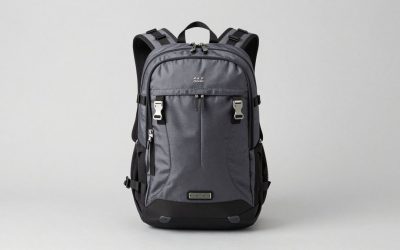
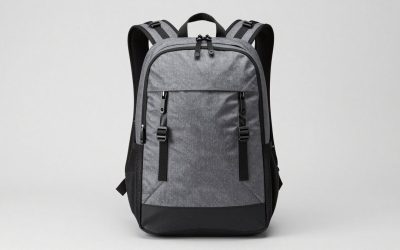
| Soft tackle bag or soft bait binder | Provides the main storage space and protects packages from sunlight, spray, and abrasion. Choose a bag with a firm base and at least 2 inches of extra capacity. | No |
| Resealable lure bags | Keep colors, scents, salt, and oils from spreading. Original manufacturer packages work well if their labels are readable and their seals still close. | No, if original bags are usable |
| Flambeau Outdoors Super Half Satchel Soft Bait Organizer, Zerust, Clear | A dedicated organizer for packaged or loose soft baits. Its clear design makes contents visible, and its Zerust feature adds corrosion protection for compatible metal items stored nearby. Listed price: $14.96. | Yes |
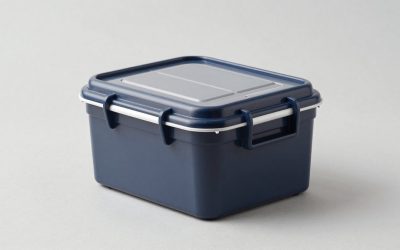
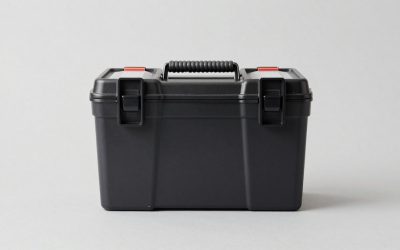
| Flambeau Outdoors 4007 Tuff Tainer, 24 Compartments, 12 Zerust Dividers | Useful for small terminal tackle, beads, hooks, weights, and rigging tools rather than loose soft plastics. The 24-compartment layout helps prevent small parts from migrating through the bag. Listed price: $6.49. | Yes |
| Waterproof labels and a permanent marker | Record bait type, length, color, scent, and quantity so you can identify a package without opening it. | Yes, but recommended |
| Small microfiber cloth | Removes water, salt, and oil from packaging and the inside of the bag before storage. | Yes |
| Small digital luggage scale | Helps keep the fully loaded bag near a manageable weight. A target of 10 to 15 pounds is comfortable for most carry bags. | Yes |
Step-by-Step
1. Empty and dry the tackle bag — 10 minutes
Take every lure, package, hook, weight, tool, and piece of trash out of the soft tackle bag. Shake out sand and dried vegetation, then inspect the bottom, corners, dividers, and zipper tracks.
Wipe hard inserts with a damp cloth and dry them completely. For the fabric bag, use a lightly damp cloth rather than soaking it. Leave all compartments open until the interior is fully dry. Even a small amount of trapped moisture can create odor, mildew, or rust on hooks and swivels.
2. Sort soft plastics by bait style — 15 to 20 minutes
Make broad groups first. Typical categories include stick worms, creature baits, craws, swimbaits, grubs, tubes, finesse worms, and trailers. Do not begin by sorting every shade of green; that creates too many small piles and slows the process.
Set aside damaged, dried-out, melted, or badly misshapen baits. If a lure is still usable but has a bent tail, place it in a separate “use soon” pile rather than mixing it with new stock.
3. Separate incompatible materials — 10 minutes
Keep soft plastics in their original sealed bags whenever possible. Different formulations can react when stored together, especially if one bait contains a strong oil, heavy salt, or a colorant that transfers easily. A hot vehicle can make the problem worse.
Never place soft plastics directly against terminal tackle unless the bait is sealed in its own bag. Some soft plastics can soften, stain, or damage other plastic components. Keep scented baits, heavily salted baits, and glow or brightly dyed colors in separate sealed packages.
4. Group by length and presentation — 15 minutes
Within each bait category, arrange packages by length. A useful sequence is under 3 inches, 3 to 4 inches, 5 to 6 inches, and over 6 inches. Then group by presentation, such as floating, suspending, or sinking, if those characteristics affect how you fish.
Store the most frequently used sizes near the front or top of the bag. Reserve deep compartments for bulky packages and rarely used specialty colors. Leave roughly 10 to 20 percent of each compartment empty so packages can be removed without force.
5. Label every package clearly — 15 minutes
Write the bait type, length, color name, and quantity on the front or top edge of each package. For example: “Stick worm, 5 in., green pumpkin, 10.” Add a short note for distinctive features such as “floating,” “salt-heavy,” or “smoke with red flake.”
Use waterproof labels or a marker designed for plastic. If the manufacturer’s label is already clear, add only the information you need to find quickly. Numbering categories—such as W1 for worms and C1 for craws—can make a handwritten inventory easier to maintain.
6. Arrange the bag from frequent to occasional use — 10 minutes
Place everyday colors and sizes where they are visible without unpacking the entire bag. A practical front-to-back arrangement is:
- Front: current-season or high-confidence baits.
- Middle: backup colors and alternate sizes.
- Back: specialty baits, large packages, and seasonal options.
- Separate pocket: scissors, pliers, line clippers, and spare labels.
Stand packages upright when the compartment allows it. This makes them easier to flip through and reduces crushing. Avoid laying heavy tools on top of soft bait packages.
7. Give terminal tackle its own container — 5 minutes
Use a divided box, such as the Flambeau Outdoors 4007 Tuff Tainer, for hooks, jig heads, weights, snaps, beads, and swivels. Its 24 compartments and 12 Zerust dividers are better suited to small hard items than to loose soft plastics.
Label compartments by size or weight. For example, separate 1/0, 2/0, and 3/0 hooks, or divide weights into 1/16-, 1/8-, and 3/16-ounce groups. Keep the terminal-tackle box upright inside a zippered section so metal pieces cannot fall into bait compartments.
8. Check the final weight and closure — 5 minutes
Close every package, zip every pocket, and test the bag before carrying it to the boat. A loaded soft tackle bag weighing about 10 to 15 pounds is generally easier to lift and less stressful on its handles than an overstuffed bag. If the zipper strains or the base bows, remove duplicates and move infrequently used items to a second container.
Mistakes to Avoid
- Mixing loose baits: Even similar-looking plastics may react or transfer color when stored together.
- Organizing only by color: A rainbow of colors is not useful if worms, craws, and swimbaits are mixed together.
- Overfilling compartments: Compression can bend tails, split package seals, and make retrieval frustrating.
- Storing wet gear: Dry the bag and all packaging before closing it for more than a brief trip.
- Leaving soft plastics in a hot car: Heat can accelerate melting, warping, leaking oils, and color transfer.
- Putting hooks in bait bags: Sharp points can puncture packaging and create a rust or snag hazard.
- Removing labels: Unmarked bags turn a quick lure change into guesswork.
How Often
Do a quick reset after every fishing trip: return packages to their assigned sections, wipe away water, and remove empty bags. Perform a deeper inventory every four to eight trips or at the start of each season. Replace unreadable labels, combine duplicate packages only when the materials are compatible, and check for hardened bait, leaks, and corrosion.
If you fish frequently, weigh the bag once a month. Removing unused duplicates can improve access as much as buying another organizer.
When to Call a Pro or Replace
Most organization problems are simple maintenance issues, but replace the bag when its base no longer supports the load, seams are separating, zipper teeth skip repeatedly, or water enters through damaged fabric. Replace a divided box if its lid will not latch or compartments no longer stay sealed.
You do not need a professional for normal sorting, labeling, or cleaning. Consider asking a tackle-shop employee for help when you are unsure whether two bait formulations can be stored together, or when a manufacturer’s storage instructions conflict with your current system. Discard any lure with an unknown chemical odor, severe melting, or contamination that could damage neighboring gear.
FAQ
Can soft plastics be stored in a soft tackle bag without a hard box?
Yes. Keep each bait type in its original sealed package or a compatible resealable bag, then arrange those packages in upright rows. A hard insert is helpful for structure but is not required if the soft bag has firm dividers and a protected base.
Should colors be separated in the same compartment?
Only when the baits are in their own sealed packages and the manufacturer indicates they are compatible. For maximum protection, separate strongly dyed, scented, or salt-heavy baits. Clear dividers or individual sleeves make color transfer less likely.
How many soft plastics should go in one compartment?
Use the compartment’s shape as the guide, but leave 10 to 20 percent unused space. A package should slide out with one hand and should not be bent, crushed, or wedged beneath another package.
What is the fastest way to find a lure on the water?
Use broad categories, upright packages, and waterproof labels showing bait type, length, and color. Keep your most-used 5 to 10 packages in the front section and return each package to the same location after use.
Write Your Review
No reviews yet. Be the first to share your experience!