
For home storage, the choice between a tackle backpack and a tackle box is less about fishing and more about how you move, sort, and access small items. A backpack turns organizers into a portable station: useful when supplies travel from a closet to a garage, craft table, balcony, or car. A tackle box creates a more stable, visible system that stays put and opens like a compact drawer cabinet.
The real buyer decision is whether your home needs mobility and soft storage or rigid compartments and quick visibility. Consider what you store, how often you carry it, whether children or pets can reach it, and how much floor or shelf space you can spare. In 2026, both formats are available at modest prices, but the cheaper purchase is not always the lower-cost solution over time.
Our top picks


As an Amazon Associate we earn from qualifying purchases at no extra cost to you.
Quick Verdict
Choose a tackle backpack if you frequently carry supplies between rooms, store irregularly shaped gear, or need a soft-sided container that can fit under a desk or in a vehicle. It is especially practical for renters, apartment dwellers, and hobbyists who use one project kit in several locations.
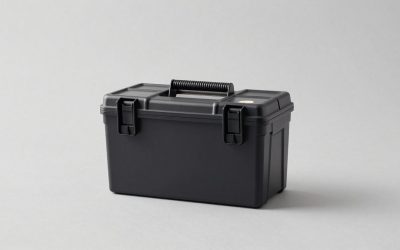
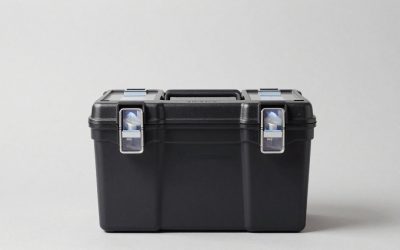
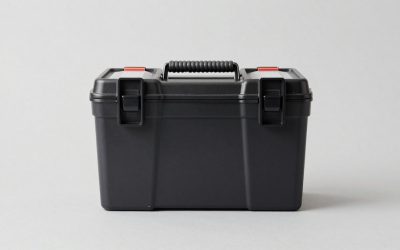
Choose a tackle box if your priority is an orderly home workstation. Rigid boxes generally offer better visibility, easier labeling, more predictable stacking, and faster access to small pieces. They are the stronger choice for beads, screws, fasteners, sewing notions, electronics parts, and craft materials that benefit from individual compartments.
For many households, the best answer is a hybrid: a backpack for transporting active projects and removable tackle boxes for sorting the contents.
Side by Side
| Factor | Tackle Backpack | Tackle Box Organization |
|---|---|---|
| Comfort | Padded shoulder straps distribute loads; comfortable for roughly 5–15 pounds. | Handles are simple but concentrate weight in one hand; best for short carries. |
| Durability | Water-resistant fabric and zippers handle bumps, but seams and fabric can wear. | Hard plastic resists dents and wipes clean; hinges and latches are the weak points. |
| Price range | About $25–$90 for a basic to feature-rich bag, often including trays. | About $6–$40 per box; larger modular systems can cost $50–$100. |
| Maintenance | Needs occasional vacuuming and air-drying; fabric may retain dust or moisture. | Compartments can be emptied and wiped quickly; small parts are easy to isolate. |
| Space needed | Usually about 12–18 inches high and 8–14 inches wide; soft sides compress slightly. | Often 10–18 inches wide, 7–14 inches deep, and 2–8 inches high per box. |
| Look | Casual and gear-oriented; available in muted colors or fishing patterns. | Utility-focused, but clear lids and labeled boxes look tidy on shelves. |
| Resale | Good if clean and complete, though fabric odors and stains reduce appeal. | Usually easy to resell when latches, dividers, and lids remain intact. |
| Best for | Mobile projects, mixed-size supplies, tools, and grab-and-go storage. | Small parts, permanent work zones, visual sorting, and stackable storage. |
Where Tackle Backpack Wins
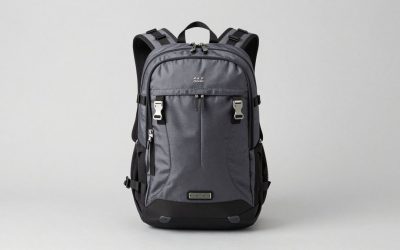
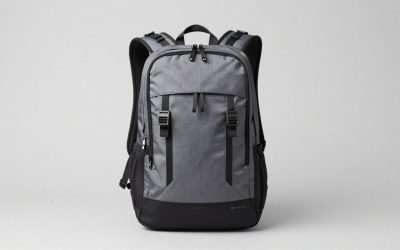
A backpack is the more flexible format when storage has to move. Instead of making several trips with loose containers, you can carry one organized load from a closet to a dining table or workshop. Padded straps leave both hands free, and exterior pockets can hold scissors, pliers, tape, a phone, or instructions.
Soft storage also accommodates items that do not fit neatly into a rigid grid. A portable repair kit might include a small drill, gloves, cable ties, measuring tape, packaged hardware, and a few containers. A tackle box can hold the small hardware, but a backpack is more likely to accommodate everything in one place. Many models include removable trays, which provide rigid compartments inside a flexible outer shell.
Backpacks are useful in homes where storage must disappear between uses. A bag can slide beneath a console, sit on a closet shelf, or hang from a sturdy hook. Allow about 1 inch of clearance around it so zippers and pockets remain usable. Look for a reinforced base, wide-opening lid, padded back panel, and straps that can be adjusted without rubbing against a wall.
Capacity is often described by the number of included trays, but external dimensions matter more at home. A bag measuring approximately 16 by 12 by 8 inches has enough volume for a hobby kit without becoming difficult to store. Avoid overloading it: soft-sided bags lose shape when packed with heavy metal parts, and contents can shift unless trays close securely.
Product formats range from inexpensive kits to larger systems. For example, the PLUSINNO Fishing Backpack with Tackle Box Fishing Gear Kit Tackle Bag is listed at $39.60, while the KastKing KarryAll Fishing Backpack with Rod Holder 4 Tackle Boxes, Khaki is listed at $72.24. These are useful reference points for comparing a ready-made portable system with the cost of buying separate containers.
Where Tackle Box Organization Wins
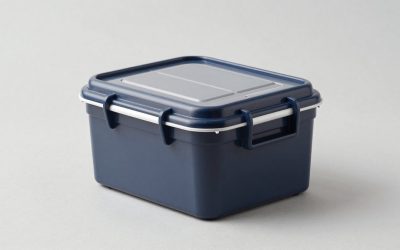
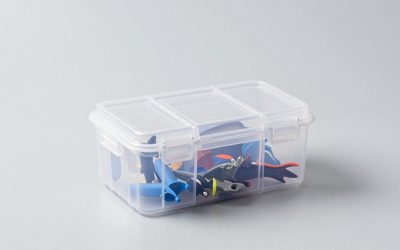
Rigid tackle boxes win on visibility. When every compartment has a lid and a label, you can identify contents without unpacking a bag. That matters for collections containing dozens of similar items: washers, beads, buttons, resistors, nails, hooks, or jewelry findings.
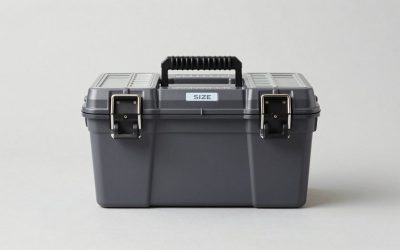
They also make better use of vertical shelving. A box 14 inches wide and 4 inches high can be stacked with matching boxes or placed in a shallow cube. Clear lids let you check inventory at a glance, while adjustable dividers allow one compartment to become two or three. Keep frequently used boxes between waist and eye level; heavier boxes belong on lower shelves.
For craft and jewelry storage, a compact grid box may be more efficient than a full backpack. The Bead Organizer Storage 2 Pack 36 Grid Jewelry Tackle Craft Box Adjustable is listed at $13.49, making two small, divided containers a relatively inexpensive way to separate colors, sizes, and materials. A basic option such as the Flambeau Outdoors 4007 Tuff Tainer, with 24 compartments and 12 Zerust dividers, is listed at $6.49.
The main limitation is fixed shape. Large tools, fabric, bottles, and bulky safety equipment may not fit. Boxes can also become awkward when their contents are mixed; a full box of metal hardware may weigh 10 pounds or more. Use several lighter boxes rather than one overloaded container, especially on high shelves.
Cost Over 5 Years
A fair comparison includes the containers required to make each system useful. Suppose a backpack system costs $40 and lasts five years with one $10 replacement tray or accessory. Its five-year cost is approximately $50, or $10 per year. A higher-end $72.24 backpack system with no replacement purchase costs about $14.45 per year over the same period.
A tackle-box system might start with four boxes at $10 each, plus labels and a small shelf bin costing $15. That is approximately $55 upfront. If one box or latch needs replacement during five years, the total may reach $65, or $13 per year. A budget system using four $6.49 boxes and $5 of labels can remain below $35, but it may provide less capacity or fewer useful dividers.
These figures exclude the value of your time. If sorting is frustrating, a slightly more expensive box with adjustable dividers and clear lids may save minutes every week. Conversely, a backpack can prevent duplicate purchases when all project supplies travel together and remain visible in exterior pockets.
Which One for Your Home
Small apartment
Start with a tackle backpack or two narrow tackle boxes rather than a large stack. A bag around 16 by 12 by 8 inches can fit in a closet or beneath a table, then move wherever you work. If you choose boxes, measure the shelf first and leave enough room to pull each one out by its handle.
Family with kids or pets
Favor latching rigid boxes for tiny, hazardous, or tempting parts. Store them at least 4 feet above the floor or inside a latched cabinet, and avoid relying on a zipper alone. A backpack works for supervised projects, but loose dividers and exterior pockets are less secure if the bag is knocked over.
Rental
A backpack is convenient when you cannot install shelving or wall storage. It protects floors from scattered hardware and can move with you at the end of a lease. Choose a washable base and avoid over-the-door systems unless the door and hinges are rated for the added weight.
Long-term home
Build a labeled tackle-box system around a permanent work area. Matching boxes create a consistent footprint, and a 12- to 18-inch-deep shelving unit can hold several rows without wasting vertical space. Keep one backpack available for active projects so the permanent inventory stays organized.
FAQ
Can a tackle backpack replace a tackle box?
Yes, if it includes removable trays or small zippered pouches. It will not provide the same rigid, at-a-glance organization for every item, but it can combine transport and storage in one container.
Are tackle boxes good for non-fishing home storage?
They are excellent for small, dry items such as beads, screws, craft embellishments, electronics components, and sewing notions. They are less suitable for bulky tools, liquids, or materials that need ventilation.
How should I label either system?
Use large labels on the outside and smaller labels inside each compartment. Record size, color, or quantity when those differences matter. Leave a little empty space so labels remain visible as the collection changes.
Which system is easier to clean?
Rigid boxes are usually easier. Empty the compartments, wipe them with a damp cloth, and dry them fully before replacing contents. Vacuum a backpack first, spot-clean the fabric according to its care instructions, and let it air-dry completely to prevent odors or mildew.

Write Your Review
No reviews yet. Be the first to share your experience!