
Our Top Picks
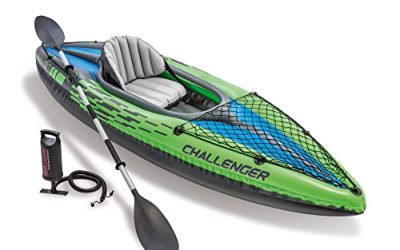
 INTEX Excursion Pro K2 Inflatable Kayak 2-Person Set2-Person151 x 37 x 18 inches40.37 poundsCheck on Amazon
Pros & cons
- Two removable skegs improve tracking and maneuverability
- Built-in rod holders and GoPro mount suit fishing trips
- D-rings let you tie down dry bags and gear securely
- 400 pound capacity limits heavier gear-loaded trips
- Weighs nearly 45 pounds once packed for transport
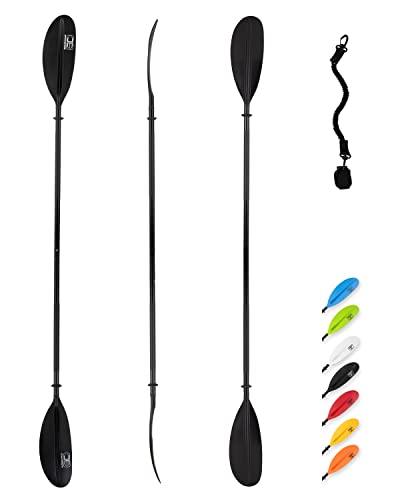 OCEANBROAD Kayak Paddle 90.5in/230cm Alloy Shaft Kayaking Boating90.5''- 1 Paddle2.5 poundsCheck on Amazon
Pittsburgh is a city built on rivers, and the best way to see it is from the water, where the Allegheny and the Monongahela meet at the Point to form the Ohio. A kayak on the Three Rivers drifts past the downtown skyline, under the bridges, and along parkland shores invisible from the streets above. The rivers are wide, busy and powerful, and a paddler who treats them like a quiet lake will be surprised by the current, the wind and the barges. The real decision is how to plan a route that matches your skill, the river conditions and the traffic, so the paddle is a pleasure rather than a struggle.
This guide is for visitors to Pittsburgh and for locals exploring their own rivers, from a first short paddle at the Point to a longer day on the Allegheny. It covers the rivers and their currents, launch points, barge traffic, safety gear and the rules of the river. As an Amazon Associate we earn from qualifying purchases
How to Choose
Understand the Three Rivers and Their Currents
The Three Rivers are three different rivers, and each one paddles differently, so learn them before you launch. The Allegheny runs down from the north-east and is the gentlest of the three near the city, with a steady current and long, open stretches that suit a relaxed paddle. The Monongahela runs up from the south, and it carries more industrial traffic and a stronger push in places, while the Ohio forms at the Point and runs wide and powerful to the west, with the biggest barges and the most open water. The rivers meet at Point State Park, where the currents join and the water can be confused, so a first paddle should stay clear of the exact meeting point until you know how the water moves. Dams and locks sit upstream and downstream on all three rivers, and the water near a dam is dangerous, so never paddle close to a dam wall or a lock entrance, and learn where the dams are before you plan a route.
Choose a Launch Point for Your Skill Level
A good launch point decides whether the trip starts well, because the Three Rivers have few easy exits once you are on the water. Point State Park gives the most famous start, with the downtown skyline ahead and the rivers meeting around you, though it is also the busiest stretch of water in the city. Parks along the North Shore and the South Side offer quieter launches with car parking nearby, and a launch upstream on the Allegheny gives a gentle downstream paddle back toward the city. Check the launch before the trip: look for a ramp or a gentle bank, a place to park, and a way back to the car at the end, since a one-way paddle needs a shuttle or a second car. Some launches require a launch permit or a fee, so check the rules for the launch you plan to use, and respect private land and closed ramps rather than launching wherever looks convenient.
Plan Around Barge Traffic and River Conditions
Barges are the working traffic of the Three Rivers, and they are large, slow and unable to stop or turn quickly, so a kayak must stay clear of them. A barge pushing a line of loaded barges ahead of it can be longer than a city block, and its wake can swamp a small boat that crosses too close behind it, so give every barge a wide berth and never paddle between a tug and its barges. Stay near the bank in the shipping channel, cross the channel only when no barge is in sight, and keep an eye upstream for traffic coming around a bend. River conditions change with rain: a heavy storm upstream raises the level and the current, and it brings debris such as logs and branches down the river, so check the river level and the weather before you launch, and postpone the trip if the river is running high, fast or full of debris.
Pack Safety Gear and Know the Rules
Safety gear on the Three Rivers is not optional, because the water is deep, the current is strong, and the nearest bank is not always close. Wear a personal flotation device at all times, not just carry one, and carry a whistle, a bilge pump or sponge, a phone in a waterproof case, and a dry change of clothes in a sealed bag. A brightly coloured kayak and a visible flag help barge crews and powerboats see you, and a white light is needed if you paddle near dawn or dusk. Learn the rules of the river before you launch: kayaks keep to the right, give way to larger vessels, and never cross in front of a barge, and a paddler who knows the rules is safer and more welcome on a working river. Share your route and your expected return time with someone at home, and agree what they should do if you do not check in.
Which One Fits Your Situation
A First Downtown Paddle at the Point
A first downtown paddle should be short, calm and close to the launch, because the Point is the busiest water in the city and the currents there take getting used to. Launch at Point State Park in the morning, when the wind is light and the river traffic is quiet, and paddle a short loop along the North Shore before returning to the same launch. Keep the paddle to an hour or two, stay near the bank, and watch for barges before you cross any open water. A short first paddle gives you the skyline, the bridges and the feel of the rivers without a long commitment, and it leaves you knowing exactly what to plan for the next trip. Mornings are calmest, so launch early.
A Longer Day on the Allegheny
A longer day on the Allegheny suits a paddler who wants miles of river without the bustle of the Point, because the river upstream is quieter, greener and gentler. Launch from a park upstream and paddle downstream toward the city, arranging a shuttle or a second car at the take-out, so the current helps rather than fights you. Pack water, food and sun protection for a full day, and plan a stop at a riverside park for lunch, since the Allegheny has few easy exits once you are past the city parks. A downstream run on the Allegheny is the classic Pittsburgh day paddle, and it ends with the skyline rising ahead as the river bends into the city. Pack a lunch and stop at a riverside park.
An Evening Paddle Past the City Skyline
An evening paddle past the skyline is the prettiest trip on the Three Rivers, and it needs the most care, because the light fades fast and the river traffic does not stop. Launch in the late afternoon, paddle along the North Shore as the sun sets behind the city, and be back at the launch before dark, with a white light ready in case the paddle runs long. The bridges light up, the skyline reflects in the water, and the river feels quieter as the day boats go home, though the barges keep working through the night. An evening paddle rewards the paddler who plans the return as carefully as the outward leg, because a dark river is no place to be searching for a launch. Carry a white light and a charged phone.
Paddling With Kids or New Paddlers
Paddling with kids or new paddlers changes the trip, because the group moves at the slowest pace and needs the easiest water. Choose a calm stretch of the Allegheny away from the Point, launch from a park with a gentle bank and parking nearby, and keep the paddle short, with a stop for a snack and a swim if the weather allows. Give every child a properly fitting life jacket and a job to do, such as spotting bridges or counting barges, and keep the group together near the bank where the current is slowest. A trip with new paddlers succeeds when everyone wants to go again, and that depends on a calm river, a short paddle and a warm finish far more than on the miles covered. Keep the group together near the bank.
Common Mistakes
- Launching at the Point without understanding how the three currents meet there, and finding the water confused and pushy.
- Paddling close behind a barge or between a tug and its barges, where the wake and the wash can swamp a small kayak.
- Ignoring the river level after rain, when a high, fast river carries debris and the current is far stronger than usual, and launching anyway.
- Leaving the life jacket stowed in the hatch instead of wearing it, so it is out of reach on the day it is needed most.
- Planning a one-way paddle without a shuttle or a second car, and discovering at the take-out that the launch is miles away on the other side of the river.
Starter Gear for Paddling Pittsburgh’s Rivers
Calm sections of the three rivers suit a simple recreational setup. These basics cover the boat, the paddle and the safety gear most local outfitters ask you to bring.
Pelican Sentinel 100X Sit-on-Top Kayak
A stable, lightweight one-person sit-on-top that is easy to load and launch from a ramp, a sensible fit for flat river water.

Pelican Sentinel 100X - Recreational Sit on top Kayak - Fade Blue Yellow - Lightweight - Ergoform Backrest - 10 ft
One of the home product options compared in this guide.
View on AmazonINTEX Excursion Pro K2 Inflatable Kayak
A two-person inflatable that packs into a car trunk, handy for visitors who do not want to store or strap a hard shell.
INTEX Excursion Pro K2 Inflatable Kayak 2-Person Set with Paddles & Pump | 68309EP - Portable Sit-on Tandem Kayak with Removable Skegs and Two Dry Bags for Gear, 12ft 9in x 3ft
One of the home product options compared in this guide.
View on AmazonOCEANBROAD Aluminum Kayak Paddle, 2-Piece
A floatable two-piece paddle with an alloy shaft that breaks down for transport and suits casual day trips.
OCEANBROAD Kayak Paddle 90.5in/230cm Alloy Shaft Kayaking Boating Canoeing Oar with Paddle Leash 1 Paddle, Black
One of the home product options compared in this guide.
View on AmazonOnyx Kayak Fishing Life Jacket
A Coast Guard approved vest with a high-back design that sits comfortably above a kayak seat and includes useful pockets.
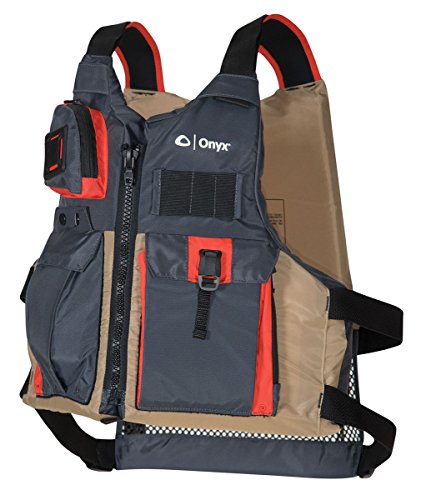
Onyx Kayak Fishing Life Jacket – USCGA PFD/Life Jacket with Multiple Pockets, High-Back Design & Adjustable Straps for Paddle Sports & Fishing
One of the home product options compared in this guide.
View on AmazonFrequently Asked Questions
Where is the best place to launch a kayak in Pittsburgh?
Point State Park is the most famous launch, with the downtown skyline ahead and the three rivers meeting around you, though it is also the busiest water in the city. Quieter launches sit along the North Shore and the South Side, and parks upstream on the Allegheny give a gentle downstream paddle back toward the city. Check the launch before the trip for parking, a ramp or a gentle bank, and any permit or fee, and plan the take-out as carefully as the launch. A launch upstream gives a gentle downstream paddle home.
Is it safe to kayak on the Three Rivers?
Yes, with the right preparation, because thousands of paddlers use the Three Rivers every year without trouble, from first-timers at the Point to regulars on the Allegheny. Wear a life jacket, stay clear of barges and dams, check the river level and the weather before you launch, and paddle within your skill level on water you understand. The rivers are wide and powerful rather than dangerous by nature, and a paddler who respects the current, the traffic and the weather will find them a safe and rewarding place to paddle.
Do I need a permit to kayak in Pittsburgh?
Some launches require a launch permit or a fee, while others are free to use, so check the rules for the launch you plan to use before the trip. A permit is usually tied to the launch site rather than the river itself, and it is a small part of planning compared with the route, the weather and the shuttle. Respect private land and closed ramps, and never launch from a place that is marked as closed or private.
What is the best time of year to kayak the Three Rivers?
Late spring through early autumn gives the warmest water, the longest days and the calmest conditions for a river paddle, with summer mornings offering light wind and quiet water. Spring brings higher river levels after rain, autumn brings cooler water and shorter days, and winter paddling needs cold-water gear and experience. Check the river level and the forecast on the day, whatever the season, and postpone the trip if the river is running high, fast or full of debris.
FAQ
Where is the best place to launch a kayak in Pittsburgh?
Is it safe to kayak on the Three Rivers?
Do I need a permit to kayak in Pittsburgh?
What is the best time of year to kayak the Three Rivers?
More from Amazon
Programs that pair well with the guide above. Offers and eligibility are set by Amazon and may change.
Free shipping on eligible items, Prime Video and more. Eligible new members can start with a free trial.
Start a Prime free trialA Prime membership for ages 18-24 with a trial period. Eligibility is set by Amazon.
See Prime for Young AdultsAudiobooks and podcasts to listen to on the go. Eligible new members can start with a free trial.
Try Audible freeAd-free music streaming. Eligible new subscribers can start with a free trial.
Try Music Unlimited freeAs an Amazon Associate we earn from qualifying purchases.


Write Your Review
No reviews yet. Be the first to share your experience!