4 Best Ultralight Kayaks Under 40 Pounds (November 2026)
Compare the best ultralight kayaks under 40 pounds for solo transport in this November 2026 guide. Four kayaks one paddler can carry, load and launch alone.
A kayak you cannot lift alone stays on the rack, and that is the problem an ultralight hull solves. When the boat weighs under 40 pounds, one paddler can carry it from the car to the water, load it on a roof rack without help, and launch from a bank that has no ramp. The weight decides how often you paddle far more than the top speed does.
This guide is for solo paddlers who load, carry and launch alone and want a boat light enough to manage without a second pair of hands. It compares four kayaks that weigh under 40 pounds, chosen from the names and specifications shown on their Amazon product pages. Three are inflatable, and one is a folding frame boat, so the right pick depends on how you store and carry it.
Quick Picks
As an Amazon Associate we earn from qualifying purchases
Product
Best for
Key spec from title
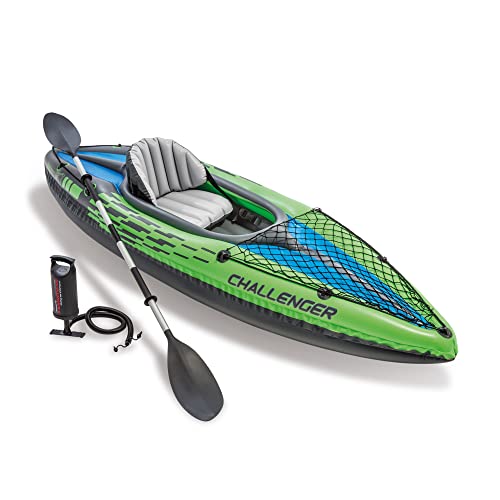
Intex Challenger K1
A first solo kayak on a small budget
26 lb hull, 220 lb capacity
Sea Eagle SE330
A roomy two-person hull for solo use
26 lb hull, 500 lb capacity
Advanced Elements AdvancedFrame Sport
A folding frame boat with a rigid feel
26 lb, 250 lb capacity
Sevylor Quikpak K1
The lightest carry in a backpack
20.3 lb, 400 lb capacity
How to Choose
Check the hull weight, not the package weight
The number that matters is the weight of the boat itself, because that is what you lift onto the roof and carry to the water. The Intex Challenger K1 and the Sea Eagle SE330 both list a 26-pound hull, the AdvancedFrame Sport lists 26 pounds, and the Sevylor Quikpak K1 lists 20.3 pounds. Be careful with listings that show a package weight instead: one cached listing for the SE330 shows 47 pounds, which is the full package with paddles, seats and a pump, not the hull. Read the hull weight on the product page before you compare.
Match the capacity to your body and your gear
A light hull is no help if it cannot carry you, so check the weight capacity against your body weight plus everything you bring. The Challenger K1 is rated for 220 pounds, which suits a lighter paddler with minimal gear, while the AdvancedFrame Sport is rated for 250 pounds. The Sevylor Quikpak K1 is rated for 400 pounds and the SE330 for 500 pounds, which leaves room for a heavier paddler, a dog or a full day kit. A hull loaded near its limit sits low and paddles slowly, so leave a margin.
Decide between inflatable and folding frame
Three boats here are inflatable and one uses a folding aluminum frame, and the choice changes how the boat feels and packs. Inflatable hulls pack small and inflate in minutes, which suits a paddler who stores the boat in a closet or a car trunk. The AdvancedFrame Sport uses an aluminum rib frame inside an inflatable hull, which gives it a stiffer feel on the water and tracks straighter, at the cost of a slightly longer setup. Pick inflatable for the smallest pack, and frame for the firmest ride.
Respect the setup time and the storage size
A light kayak still needs to be inflated or unfolded before you paddle, so check the setup time and the packed size. The Sevylor Quikpak K1 lists a five-minute setup and packs into a backpack system, which suits a paddler who walks to the water. The Challenger K1 and the SE330 include a pump in the box, and the AdvancedFrame Sport includes one as well. Measure the packed size against your trunk or closet, since a boat that does not fit the storage space stays home.
The 4 Best Options
Intex Challenger K1
Top Pick
Intex Challenger K1
Best for: A first solo kayak that is light to carry and simple to set up.
The Intex Challenger K1 is the easy first kayak for a solo paddler who wants to get on the water without a heavy lift or a big outlay. It weighs 26 pounds, stretches 9 feet long and is rated for 220 pounds, which suits a lighter paddler on calm lakes and slow rivers. The box includes a paddle and a pump, so the boat is ready to inflate and launch on the first day. Its low weight makes it simple to carry from the car to the bank alone, and the inflatable hull packs down small for storage in a closet or a trunk.
Watch out for: The 220 lb capacity suits a lighter paddler with minimal gear, so check your total load first.
Sea Eagle SE330
Runner-Up
Sea Eagle SE330
Best for: A solo paddler who wants a roomy hull with room for gear or a companion.
The Sea Eagle SE330 is the roomy pick in this group, a hull that one paddler can still carry alone but that leaves space for a partner, a dog or a full day kit. The product description lists a 26-pound hull and a 500-pound capacity, with an 11-foot 2-inch length and a 33 mil Polykrylar hull rated for up to Class III water. The Pro Package includes paddles, seats and a pump, which is why one cached listing shows a 47-pound package weight; the hull itself is 26 pounds. It is the boat for a solo paddler who wants room to grow.
Watch out for: The package weight is far higher than the hull weight, so lift the hull alone and carry the accessories separately.
Advanced Elements AdvancedFrame Sport
Advanced Elements AdvancedFrame Sport
Best for: A solo paddler who wants a stiffer, straighter-tracking light kayak.
The Advanced Elements AdvancedFrame Sport is the pick for a solo paddler who wants a light boat that still feels rigid on the water. It weighs 26 pounds, is rated for 250 pounds and stretches 10 feet 5 inches, with an aluminum rib frame inside the inflatable hull that stiffens the bow and stern. That frame helps the boat track straighter than a soft inflatable, which matters on a windy lake or a slow river. A pump comes in the box, and the folding design packs down for storage in a trunk or a closet when the day is done.
Watch out for: The frame adds a step to setup, so allow a few more minutes than a plain inflatable.
Sevylor Quikpak K1
Sevylor Quikpak K1
Best for: The lightest carry to the water, with a backpack for walking to the put-in.
The Sevylor Quikpak K1 is the lightest boat in this guide and the easiest to carry to the water. It weighs 20.3 pounds, is rated for 400 pounds and measures 8 feet 7 inches, with a 21-gauge PVC hull and a backpack system that lets you walk it to a bank with no ramp. The listing gives a five-minute setup, and the model number is 2000014137. It suits a paddler who hikes to a put-in or stores the boat in a small apartment, and the high capacity leaves room for a heavier paddler and a full day kit in a very light package.
Watch out for: At 8 ft 7 in it is the shortest boat here, so it tracks less straight than the longer hulls.
Which One Fits Your Situation
You are new to kayaking and paddle alone
Take the Intex Challenger K1, because it is light, simple and comes with a paddle and a pump in the box. The 26-pound hull carries easily from the car to the bank, and the 9-foot length is easy to handle on calm water. The 220-pound capacity suits a lighter paddler, so check your total load before you commit, and start on calm lakes while you learn the boat.
You want room for gear, a dog or a partner
Choose the Sea Eagle SE330 for its 500-pound capacity and 11-foot 2-inch length. The 26-pound hull is still a one-person carry, but the room inside fits a full day kit or a companion when you want one. The Polykrylar hull handles up to Class III water, which gives you room to try livelier rivers once your skills grow.
You want a light boat that tracks straight
Pick the Advanced Elements AdvancedFrame Sport for its aluminum rib frame, which stiffens the hull and helps it hold a line on a windy lake. The 26-pound weight keeps it a one-person carry, and the 250-pound capacity suits most solo paddlers with a day kit. Allow a few extra minutes for setup, since the frame adds a step a plain inflatable skips.
You walk to the water or store the boat in a small space
Buy the Sevylor Quikpak K1 for the lightest carry and the backpack system. At 20.3 pounds it is the easiest boat here to shoulder to a put-in with no road access, and the five-minute setup gets you paddling fast. The 400-pound capacity leaves room for a heavier paddler and a full kit in a package that fits a closet.
Common Mistakes
Comparing package weight with hull weight, which makes a light boat look heavy
Loading a hull near its capacity limit, which leaves it sitting low and slow
Choosing the shortest boat for open water, where a longer hull tracks straighter
Skipping the pump check, since a missing or broken pump ends the day before it starts
Storing an inflatable damp, which shortens the life of the hull material
Frequently Asked Questions
How light does a kayak need to be for one person to carry it?
Most solo paddlers manage a hull under 40 pounds without help, and the boats here run from 20.3 to 26 pounds. The hull weight is the number to check, not the package weight. Carry the hull alone and make a second trip for the accessories if the full package is too heavy.
Are inflatable kayaks durable enough for regular use?
The hulls here use thick materials, such as the 33 mil Polykrylar on the Sea Eagle SE330 and the 21-gauge PVC on the Sevylor Quikpak K1, which handle rocks and branches. Avoid dragging the hull across sharp gravel and rinse it after use. An inflatable will not match a hard shell for abuse, but it holds up well with basic care.
Can one person load a 26-pound kayak on a roof rack alone?
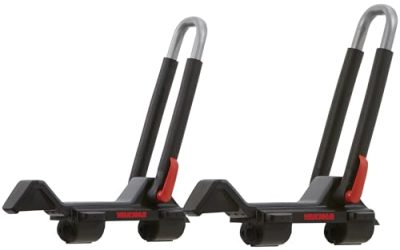
Yes, a 26-pound hull is light enough for most adults to lift onto a roof rack without help. Lift one end onto the rear bar first, then walk the other end up. A J-cradle rack holds the hull on its side, which makes the lift easier than loading it flat.
Does a shorter kayak track worse than a longer one?
A shorter hull turns more easily but wanders more on a straight line, so the short Sevylor needs more correction strokes than the longer Sea Eagle. Pick length for the water you paddle most: short for tight creeks, long for open lakes.
M
Mark Reynolds
We compare specs, materials and verified owner reviews before a product earns a spot. Rankings are never paid.
FAQ
How light does a kayak need to be for one person to carry it?
Most solo paddlers manage a hull under 40 pounds without help, and the boats here run from 20.3 to 26 pounds. The hull weight is the number to check, not the package weight. Carry the hull alone and make a second trip for the accessories if the full package is too heavy.
Are inflatable kayaks durable enough for regular use?
The hulls here use thick materials, such as the 33 mil Polykrylar on the Sea Eagle SE330 and the 21-gauge PVC on the Sevylor Quikpak K1, which handle rocks and branches. Avoid dragging the hull across sharp gravel and rinse it after use. An inflatable will not match a hard shell for abuse, but it holds up well with basic care.
Can one person load a 26-pound kayak on a roof rack alone?
Yes, a 26-pound hull is light enough for most adults to lift onto a roof rack without help. Lift one end onto the rear bar first, then walk the other end up. A J-cradle rack holds the hull on its side, which makes the lift easier than loading it flat.
Does a shorter kayak track worse than a longer one?
A shorter hull turns more easily but wanders more on a straight line, so the short Sevylor needs more correction strokes than the longer Sea Eagle. Pick length for the water you paddle most: short for tight creeks, long for open lakes.
Affiliate disclosure. As an Amazon Associate we earn from qualifying purchases at no extra cost to you. Prices accurate as of the date shown.
Compare the best kayak j bar cradle racks for roof mounted side loading in this November 2026 guide. Three J-cradle carriers for side loading on a roof rack.
Compare the best waterproof dry boxes for kayak valuables in this November 2026 guide. Four crushproof cases to keep a phone, keys and wallet dry on the water.
Our guide to the best kayak led light kits for night paddling: four waterproof LED kits that light your deck and keep you visible after dark on the water today.
kayaking pittsburgh three rivers guide: paddle the Allegheny, Monongahela and Ohio past downtown, with launch points, barge traffic and safety tips for paddlers
how to fish a swimbait: choose the right bait, match the rod and line, and work the retrieve so a swimbait looks like a real baitfish in lakes and rivers.
kayak camping tips: plan the route, pack light, balance the load and camp safely, so an overnight paddle trip runs smoothly from the launch to the last morning.



 Sevylor Quikpak K1


Write Your Review
No reviews yet. Be the first to share your experience!