
Key takeaways
- Setting drag by maximum force: The reel’s maximum-drag number is a limit, not a target. Excessive pressure can overload light rods and small hooks.
- Testing with a quick tug: Shock loading can produce a much higher force than a steady pull and may break the line.
- Holding the rod straight at the target: This removes the rod’s cushioning effect and can create a dangerous high-load position.
- Ignoring the line level: A nearly full spool and a nearly empty spool can feel different. Set and recheck drag with the line level you expect to fish.
- Over-oiling drag washers: Many modern washers are designed to run dry or with a specific drag grease. Oil can cause slipping or inconsistent pressure. Follow the reel manufacturer’s maintenance instructions.
- Replacing parts without checking fit: Drag washers must match the reel’s model and stack order. A washer set intended for size 2000 to 6000 reels is not automatically compatible with every reel in those size categories.
A fishing reel’s drag controls how much resistance a fish feels when it pulls line. Set it too tight, and a sudden run can break the line, straighten a hook, or damage the rod. Set it too loose, and the fish may take excessive line, bury the hook in cover, or fail to stay pinned. Learning how to set drag on a fishing reel helps you fight fish smoothly instead of relying on brute force.
The correct setting depends on your line, knots, hook, rod, and target species. A useful starting point is 20 to 30 percent of the line’s rated strength. For example, 10-pound-test line commonly begins with approximately 2 to 3 pounds of drag. That is a starting point, not a universal rule: knots and abrasion can reduce the line’s practical strength, while heavy cover may require a tighter setting.
Our top picks

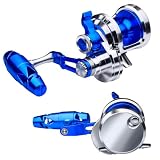
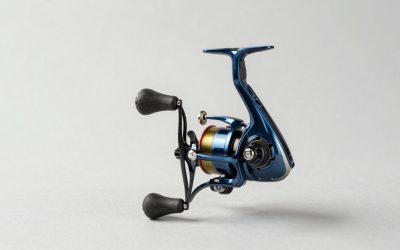
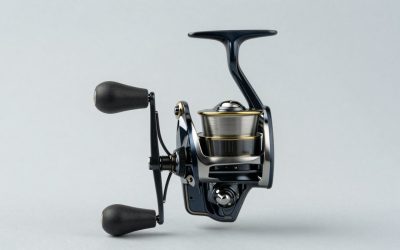
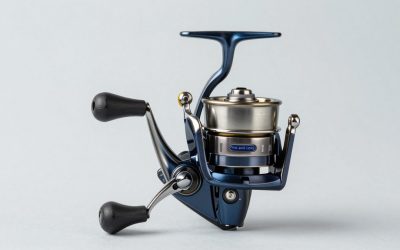
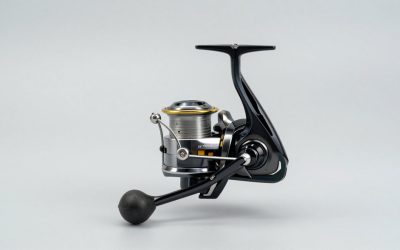
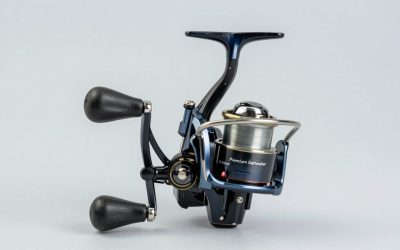
 Piscifun Flame Spinning Reel
- Hand Orientation: Ambidextrous
- Fishing Technique: Spinning
- Gearbox Ratio: 3.3
As an Amazon Associate we earn from qualifying purchases at no extra cost to you.
What You Need
| Item | Why | Optional? |
|---|---|---|
| Fishing reel and rod | Drag should be checked with the reel mounted as it will be used. | No |
| Line and a secured anchor | Lets you test whether line pulls out smoothly under pressure. | No |
| Digital fishing scale or luggage scale | Measures drag force more accurately than pulling by hand. | Recommended |
| Gloves or a clean cloth | Protects your hands and keeps oil, dirt, and sunscreen off the line and drag parts. | Optional |
| Small screwdriver and reel-safe lubricant | Useful for limited inspection or maintenance when the manufacturer allows it. | Optional |
| Replacement drag washers | Worn, contaminated, or damaged washers can prevent consistent drag pressure. Amagogo sets for model sizes 2000 to 6000 are commonly listed around $8.79, but confirm compatibility first. | Only if needed |
A basic spinning reel, such as an entry-level model rated for roughly 10 to 15 pounds of maximum drag, may cost about $20 to $35. The maximum rating is not the recommended everyday setting. A reel advertised at 13.2 pounds of maximum drag, for example, should not automatically be tightened to 13.2 pounds for ordinary fishing.
Step-by-Step
-
Identify the drag style and inspect the reel (2 to 3 minutes)
On most spinning reels, the drag knob is on top of the spool. Turning it clockwise usually increases resistance; turning it counterclockwise reduces it. Baitcasting reels generally use a star-shaped drag beside the handle, while some conventional reels use a lever drag.
Check the line for fraying, crushed sections, or knots near the hook. Inspect the spool, bail, handle, and drag knob for cracks or looseness. If the line is damaged, replace it before setting drag. Testing damaged line can give a false sense of security.
-
Find the line’s practical starting strength (2 minutes)
Read the line rating printed on the spool or packaging. Multiply that number by 0.20 to 0.30. For 6-pound line, the starting range is about 1.2 to 1.8 pounds. For 10-pound line, it is about 2 to 3 pounds. For 20-pound line, it is about 4 to 6 pounds.
Choose the lower end for light line, small hooks, ultralight rods, or inexperienced anglers. A somewhat higher setting may be appropriate around weeds, docks, or brush, but the rod, leader, knots, and hook must also tolerate the added force.
-
Thread the line through the rod guides (2 to 4 minutes)
Mount the reel on the rod and run the line through every guide. Leave approximately 12 to 18 inches of line beyond the rod tip. Tie the line to the scale with a reliable knot, such as an improved clinch knot for suitable line sizes, or attach a small loop if one is already available.
Keep the rod at a normal fishing angle, roughly 30 to 45 degrees from the ground. Do not point the rod straight at the anchor while testing. A bent rod stores energy and can be damaged if the line suddenly breaks.
-
Set a loose initial drag (1 minute)
Back the drag off until the line pulls out with little resistance. Then turn the knob clockwise a few clicks or partial turns. Starting loose prevents an accidental overload while you learn where the adjustment range begins.
Keep the bail closed on a spinning reel. On a baitcaster or conventional reel, make sure the spool tension and other controls are not being confused with the actual fighting drag.
-
Measure the pull and adjust gradually (5 to 10 minutes)
Hold the rod at the intended angle and pull the scale steadily away from the reel. Use a slow, even pull rather than a jerk. Watch for the point at which the spool begins to turn and note the reading. This is the starting drag pressure.
Adjust the drag in small increments. Tighten it if the reading is below your target; loosen it if the reading is above your target. Repeat the test two or three times. A properly set drag should begin releasing line smoothly, without sticking, sudden jumps, or a grinding sensation.
If your target is 2.5 pounds, do not worry about matching that number to the decimal. A consistent reading in the approximate 2.3- to 2.7-pound range is generally more useful than an exact number that changes sharply from one pull to the next.
-
Check the drag through the working range (3 to 5 minutes)
Pull line several times with the spool partly full, since spool diameter affects how the drag feels. Then pull line at a few different angles while keeping the rod safely supported. The drag should start smoothly and continue releasing line without squealing, binding, or surging.
Recheck the knot and line after testing. If the line slips at the knot or shows flattening, replace the connection. Do not compensate for a bad knot by tightening the drag.
-
Make a water-side adjustment (1 to 2 minutes)
Before casting, confirm that the drag knob has not moved during transport. When a fish is hooked, use the rod to absorb runs and allow the drag to work. If the fish is taking too much line in open water, increase tension slightly. If the rod loads deeply, the line rubs cover, or the fish makes a sudden hard run, reduce tension immediately.
Mistakes to Avoid
- Setting drag by maximum force: The reel’s maximum-drag number is a limit, not a target. Excessive pressure can overload light rods and small hooks.
- Testing with a quick tug: Shock loading can produce a much higher force than a steady pull and may break the line.
- Holding the rod straight at the target: This removes the rod’s cushioning effect and can create a dangerous high-load position.
- Ignoring the line level: A nearly full spool and a nearly empty spool can feel different. Set and recheck drag with the line level you expect to fish.
- Over-oiling drag washers: Many modern washers are designed to run dry or with a specific drag grease. Oil can cause slipping or inconsistent pressure. Follow the reel manufacturer’s maintenance instructions.
- Replacing parts without checking fit: Drag washers must match the reel’s model and stack order. A washer set intended for size 2000 to 6000 reels is not automatically compatible with every reel in those size categories.
How Often
Check drag before every fishing trip, especially after storage, a long fight, or exposure to salt water. A quick hand test takes less than a minute. Use a scale every few months if you fish regularly, and after replacing line, washers, or the spool.
After saltwater use, rinse the reel gently with fresh water, wipe it dry, and let it air-dry before storage. Avoid high-pressure sprays, which can push salt and water into bearings and drag components. Loosen the drag substantially during long-term storage unless the reel’s instructions say otherwise.
When to Call a Pro or Replace
Have the reel serviced if the drag slips, sticks, chatters, grinds, or changes dramatically between pulls after basic cleaning and adjustment. Professional service is also sensible when the drag knob spins without changing tension, the spool wobbles, or internal parts are corroded.
Replace the line immediately if it is frayed, sun-damaged, badly kinked, or contaminated with chemicals. Replace drag washers when they are glazed, swollen, cracked, compressed, or contaminated and the drag remains inconsistent. If a budget reel needs repeated repairs, compare service costs with a replacement reel in the roughly $20 to $75 range.
FAQ
How tight should the drag be on a spinning reel?
Start at 20 to 30 percent of the line’s rated strength. That means about 2 to 3 pounds for 10-pound line. Use less for light tackle and more only when the entire setup, including the rod and leader, can handle it.
Should drag be tight or loose when casting?
It should be set to your fishing target before casting, but not locked down. A moderate setting lets a hooked fish take line without breaking it. Check the drag knob after transporting the rod or changing lures.
Why does my drag feel jerky?
Common causes include contaminated or worn washers, a dirty spool, uneven line pressure, corrosion, or a damaged line connection. Clean only the parts the manufacturer permits, and service the reel if the hesitation continues.
Can I set drag without a scale?
Yes, but a scale is more consistent. Pull line steadily by hand and confirm that it releases smoothly without excessive force. Treat this as an estimate, then test again with a scale when possible.
Write Your Review
No reviews yet. Be the first to share your experience!