
The landscape of modern angling has been fundamentally altered by the arrival of high-frequency, real-time imaging technology. For the serious angler, choosing a forward-facing sonar system is no longer just about buying a screen; it is about investing in a data-processing suite that changes how you interact with the underwater environment. As we navigate the 2026 fishing season, the sheer volume of marketing jargon surrounding these units can make the selection process feel overwhelming. However, the difference between a system that helps you land trophy fish and one that sits gathering dust on your console comes down to a few critical performance factors that often go overlooked in promotional materials.
When selecting your setup, it is vital to move past the flashy interface demos and focus on the technical infrastructure that supports live imaging. A forward-facing sonar system is only as effective as the transducer’s ability to communicate with the processor and the screen’s ability to render that data without lag. By prioritizing processing speed, mounting stability, and ecosystem integration over sheer screen size or secondary features, you can build a reliable system that provides a genuine tactical advantage on the water. This guide breaks down the essential technical considerations to help you make an informed investment that will serve your specific fishing style for years to come.
As an Amazon Associate we earn from qualifying purchases at no extra cost to you.

The Critical Role of Processor Speed and Refresh Rates
The most common mistake anglers make is prioritizing screen resolution while ignoring the processor’s capacity to handle high-speed data. Forward-facing sonar relies on sending hundreds of beams per second to create a coherent image of a moving fish or lure. If the processor behind your unit is underpowered, you will experience ghosting, stuttering, or a delay between the actual movement of the fish and what you see on the display. When evaluating a unit, research the system’s ability to maintain a high refresh rate even when the depth range is pushed to its limits. A fast processor ensures that when a bass turns on your bait, you see it instantly, giving you the split-second reaction time required to trigger a strike.
Screen Size and Resolution Balance
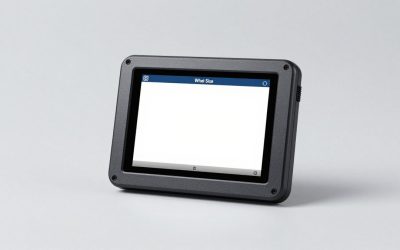
While it is tempting to purchase the largest screen available, bigger is not always better if the resolution does not scale proportionally. For forward-facing sonar, you need enough pixel density to distinguish between a branch and a fish at a distance of forty or fifty feet. A massive screen with low resolution will only result in pixelated, muddy images that make target separation nearly impossible. Aim for a display that offers a crisp, high-definition view that allows you to see the individual tail kicks of a fish. Additionally, consider your cockpit layout; a screen that is too large might obstruct your view of the water or interfere with your ability to navigate, so always measure your mounting space before committing to a specific display size.
Transducer Mounting and Stability
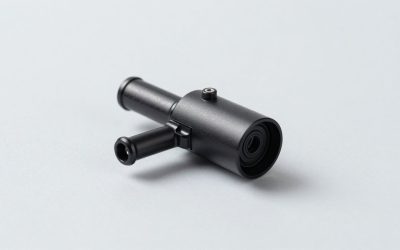
The physical mounting of your transducer is arguably the most important factor in the quality of your sonar return. Whether you choose a trolling motor mount or a dedicated independent pole mount, stability is non-negotiable. If your transducer vibrates or shifts as the trolling motor turns, your sonar image will become blurred, making it difficult to track your lure. A dedicated pole mount often provides the best results because it separates the sonar beam from the motor’s movement, allowing you to scan an area independently of where your boat is pointed. When installing, ensure all connections are rigid and that the cable has enough slack to accommodate the full range of motion without binding or straining.
Ecosystem Compatibility and Brand Loyalty
In the current market, forward-facing sonar systems are rarely standalone devices. They are designed to function within a broader ecosystem of networking, mapping, and autopilot tools. If you already have a network of displays and sensors from a specific manufacturer, it is almost always more efficient to stick with that brand. Integrating a new sonar module into an existing network is seamless when the protocols match, but attempting to bridge disparate systems often leads to networking conflicts and data loss. Before buying, verify that the unit you are considering is fully compatible with your current hardware suite, including your existing GPS antennas and power distribution blocks.
Power Management and Battery Requirements
High-performance sonar units are power-hungry devices that can drain a standard lead-acid battery in a matter of hours. As you upgrade your electronics, you must also upgrade your power infrastructure to keep up. Many anglers are shifting toward dedicated lithium iron phosphate batteries for their electronics to ensure a steady, clean voltage throughout the day. If the voltage drops too low, the sonar unit may reboot or lose signal, which is disastrous during a tournament or a long day on the water. Ensure your wiring is of the correct gauge to minimize resistance, and always use a dedicated circuit for your forward-facing sonar to prevent interference from other high-draw equipment like your trolling motor.
Learning the Interpretation Curve
The final factor that matters is your willingness to put in the time to learn the system. Forward-facing sonar provides a raw, unfiltered view of the underwater world, and it takes time to train your eyes to distinguish between bait schools, structure, and game fish. Do not judge a unit’s performance based on your first outing. Spend time in the shallows where you can see the bottom clearly, then move to deeper water to test your sensitivity and gain settings. The best sonar system in the world will still be ineffective if the operator does not understand how to tune the gain and noise rejection settings to match the water clarity and depth of their specific location.
Related Guides
To further refine your electronics setup, explore our comprehensive reviews: Best Forward Facing Sonar Fish Finders in 2026: Compared and Ranked provide in-depth analysis of the current market leaders. If you are building out your secondary displays, our guide on the Best Down Imaging Fish Finders in 2026: Compared and Ranked offers excellent options for vertical structure analysis. Finally, for mapping out expansive flats, check out the Best Side Imaging Fish Finders in 2026: Compared and Ranked to ensure you never miss a target on your periphery.
FAQ
How far can these units actually see with clarity?
Most modern systems provide usable target separation out to sixty or eighty feet in ideal conditions. Beyond that distance, the image becomes increasingly generalized, making it difficult to differentiate between individual fish and small pieces of cover.
Do I need a separate battery for my forward-facing sonar?
While not strictly required, a dedicated battery is highly recommended to prevent voltage drops that cause interference. Isolating your sonar from your trolling motor and cranking battery ensures the cleanest possible image quality.
Can I use my existing transducer mount for a new unit?
It is rare for mounting brackets to be cross-compatible between different manufacturers due to unique cable diameters and housing shapes. You will likely need to install the specific mounting hardware provided with your new unit to ensure proper orientation and cable protection.
How much does water clarity impact performance?
High-frequency sonar is highly sensitive to suspended particulates, meaning muddy or stained water can limit your effective range. You may need to increase the gain settings in murky conditions, though this often introduces more screen noise that requires a practiced eye to interpret.

Write Your Review
No reviews yet. Be the first to share your experience!