
Key takeaways
- How to choose fishing rod length for casting distance and control, with a chart by setting from creeks and boats to surf and ice fishing.
For most freshwater anglers, a rod between 6 feet 6 inches and 7 feet 6 inches is the best balance of casting distance and control. Go shorter, 5 feet 6 inches to 6 feet 6 inches, for small streams, boats and kayaks where space is tight and accuracy matters. Go longer, 8 to 9 feet or more, when you need to cast far, keep line off the water, or fight fish from a bank or pier. This guide is for anglers picking a first rod or replacing one for a specific style of fishing, and it works best when you decide where you fish before you pick a length.
Quick Answer
- All-around freshwater spinning rod: 6’6″ to 7’0″.
- Small streams, brushy banks and boats: 5’6″ to 6’6″ for short, accurate casts.
- Bank fishing for distance, big rivers and catfish: 7’6″ to 9’0″.
- Surf and long-distance beach casting: 9′ to 12′.
- Rule of thumb: each extra foot of rod can add roughly 5 to 10 percent to your casting distance, but costs some accuracy and makes the rod harder to handle in tight spaces.
What You Need
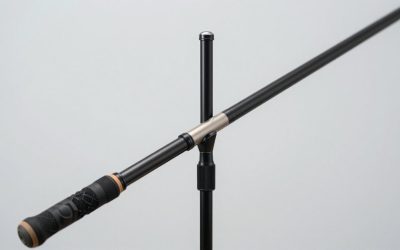
- Rod length: measured in feet and inches from the butt to the tip. Pieces are listed as one-piece, two-piece or multi-piece for travel.
- Power: ultra-light through heavy. Pair length with power, since a long ultra-light rod behaves differently from a long heavy one.
- Action: fast, moderate or slow, which describes where the rod bends. Fast-action rods bend near the tip and set hooks quickly; moderate rods bend deeper into the blank and cast light lures well.
- Line rating: printed above the handle. Choose a line inside that range, for example 4 to 10 lb.
- Lure weight rating: the range printed on the blank, such as 1/8 to 1/2 ounce. Casting outside this window reduces distance and control.
- Reel: a spinning reel in a size matched to the rod’s rating, or a baitcasting reel for rods labeled for casting. Handle length and balance matter as much as the rod itself.
- Safety gear: sunglasses for hook safety. Carbon fiber and graphite rods conduct electricity, so never cast or carry a rod near overhead power lines or during thunderstorms.
How Rod Length Changes Your Fishing
Rod length affects four things you can feel and measure at the water.
- Casting distance. A longer rod has a longer arc, which increases line speed at the tip. A 7-foot rod commonly casts noticeably farther than a 6-foot rod with the same lure and technique, while a 9-foot rod does better still. The gain depends on casting skill, line weight and lure weight.
- Accuracy. Short rods are easier to aim. At 5’6″ to 6’6″ you can flip, pitch and skip a lure under docks and overhanging branches with a small wrist movement.
- Hook-setting leverage. A longer rod picks up more line with one lift, which helps on long casts and with stretchy line, but it can slow your reaction in close quarters.
- Fighting control. Long rods absorb head shakes and keep the line high, which helps over weeds or pier railings. Short rods give you more direct pressure on a fish, which helps in a boat or around cover.
Rod Length Chart by Where You Fish
| Setting | Typical length | Why this length |
|---|---|---|
| Small stream, brush overhead | 5’0″ to 6’6″ | Short rods avoid overhead branches and give accurate short casts |
| Large river or lake bank, trout and panfish | 6’6″ to 7’6″ | Balance of reach and control |
| Ultralight panfish and trout spinning | 5’6″ to 7’0″ | Light lures cast well on moderate rods in this range |
| Boat or kayak, bass and walleye | 6’0″ to 7’0″ | Room to cast sidearm; short rods store easily |
| Bass flipping and pitching | 7’0″ to 7’6″ | Reach to place a bait under cover with strong hooksets |
| Bank catfish | 7’6″ to 9’0″ | Long casts and rod holder compatibility |
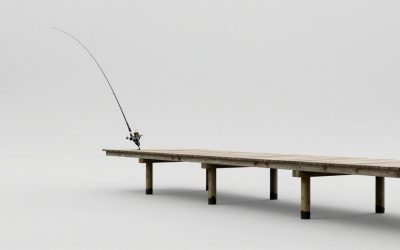
| Pier and jetty | 7’0″ to 9’0″ | Height above water and distance |
| Inshore saltwater from shore or flats | 7’0″ to 7’6″ | Distance to spooky fish, power for strong runs |
| Surf casting | 9’0″ to 12’0″ | Clears waves and gives maximum distance |
| Ice fishing | 24″ to 40″ | Short rods keep you close to the hole and make jigging precise |
Typical lengths in the chart match what retailer and guide sources commonly list. Individual rods vary, so also consider your height, your casting style and how often you fish in confined places.
How to Choose Your Rod Length in Four Steps
- Name the main place you fish. If most of your trips are on a small stream, a creek bank or a boat, start at 6’0″ to 6’6″. If you fish open banks, big lakes or rivers, start at 7’0″.
- Name the main lure or bait weight. Light lures under 1/8 ounce cast well from a 6’6″ to 7’0″ rod with a moderate or moderate-fast action. Heavy baits of 1/2 ounce or more call for a 7’0″ to 7’6″ rod with more power.
- Estimate the distance you need. If fish are within 30 feet, short and mid-length rods are plenty. If you need 60 feet or more regularly, step up toward 7’6″ to 9’0″.
- Test it in the shop or at a casting spot. A good length lets you make a smooth cast with a wrist snap and a short arm path. If you have to hold the rod far from your body to avoid hitting the ground, it is too long for that spot. If the tip whips and tangles, check the line weight and lure weight first.
Match Length to Power and Action
| Goal | Length | Power / action |
|---|---|---|
| Small lures, light line, panfish | 6’0″ to 7’0″ | Ultra-light to light, moderate or fast |
| General bass and walleye | 6’6″ to 7’0″ | Medium to medium-heavy, fast |
| Heavy cover, flipping | 7’0″ to 7’6″ | Heavy, fast |
| Catfish from the bank | 7’6″ to 9’0″ | Medium-heavy to heavy, moderate-fast |
| Surf | 9’0″ to 12’0″ | Medium-heavy to heavy, moderate-fast |
A rod that is too long for its power feels sluggish. A short rod with too much power can feel stiff and break light line on a hard fish. When in doubt, choose the shorter length and increase it only if casting distance is a problem.
Common Mistakes
- Buying the longest rod “for distance.” Extra length costs accuracy and makes the rod awkward in boats and brush. Fix: choose the length for the places you fish most often.
- Using a tiny rod on a big open bank. A short rod limits distance and lifts line poorly over weeds. Fix: move up to 7’0″ or longer for open water.
- Ignoring lure weight. Heavy lures overload a light rod, and light lures barely load a heavy rod. Fix: check the lure rating and stay in the middle of the range.
- Not considering transport. A long one-piece rod is hard to store in a car or carry in a kayak. Fix: pick a two-piece rod, which usually keeps the same action while breaking down for travel.
- Casting near power lines. A long graphite rod can create a serious shock hazard if it touches or comes near an overhead line. Fix: scan overhead before every cast and move if you cannot see clearly.
- Judging only by length. A good length with the wrong power or action still fishes poorly. Fix: check power, action, line rating and lure rating together.
Questions
Does a longer fishing rod cast farther?
Generally yes, because a longer rod builds more tip speed on the same casting stroke. The benefit shrinks with poor technique or a lure that is too light or heavy for the rod. Many sources estimate a modest gain of roughly 5 to 10 percent per added foot.
What is the best length for a beginner spinning rod?
A 6’6″ to 7’0″ medium-light or medium rod works for most bank and boat fishing. It handles worms, small spinners, jigs and bait rigs. It also loads smoothly with 6 to 10 lb line.
Is a shorter rod better for kayak fishing?
Often yes. A rod of 6’0″ to 7’0″ is easier to cast from a seated position and easier to store. Pick a two-piece design if you need to carry it in a vehicle.
How long should a surf rod be?
Most surf rods range from 9 to 12 feet. Ten to twelve feet gives good distance and lets you clear waves, though a longer rod takes more strength and practice. Match the power to the weight you need to hold bottom in the wash.
Should I use a shorter rod for ice fishing?
Yes, ice rods are usually 24 to 40 inches because you fish close to the hole and jig vertically. Pick a length that keeps the tip over the hole without bumping your knees. Dress for the cold and keep the area around the hole clear to avoid slips.
Update History
- October 15, 2026 – Initial publication; details checked against current manufacturer guidance and angling references.
- Conditions, regulations and tackle specifications vary by water and region; check local rules before you fish.
Sources
- Rod length and action guides from tackle manufacturers and outdoor retailers
- Angling reference articles on casting distance, accuracy and rod power
- State wildlife agency angler education materials
Write Your Review
No reviews yet. Be the first to share your experience!