
Our Top Picks
Kayak camping turns a day paddle into a small expedition, because everything you sleep in, eat from and wear for two days has to fit inside a boat you power yourself. A kayak that is overloaded, badly balanced or packed with gear you cannot reach will fight you at every stroke, and a badly chosen campsite can leave you cold, wet or stuck on a bank you cannot land on. The real decision is not which tent to buy, but how to plan a route, a load and a camp that work together, so the trip feels like an adventure rather than a chore.
This guide is for paddlers planning a first overnight kayak trip, and for day paddlers who want to stretch a favourite river or lake into a weekend. It covers the kayak and the campsite, packing light and balancing the load, water and food planning, and preparing for weather and emergencies. As an Amazon Associate we earn from qualifying purchases
How to Choose
Choose a Kayak and a Campsite That Fit Together
A kayak camping trip starts with the boat, because the kayak decides how much gear you can carry and how far you can paddle in a day. A touring or sea kayak with sealed hatches and a large cockpit carries a tent, a sleeping bag and two days of food without sitting low in the water, while a short recreational kayak fills up fast and becomes hard to steer once loaded. Check the hatch sizes before you buy a tent or a dry bag, since a bag that will not fit through a hatch opening is useless no matter how waterproof it is. The campsite matters just as much: look for a flat spot above the waterline with room to land the kayak, a place to hang food away from animals, and a route out if the weather turns. Rivers with designated campsites make planning easy, while wild camping needs permission and a careful eye for private land, so settle the campsite question before you settle the route.
Pack Light and Keep the Load Balanced
Every kilogram in a kayak changes how it handles, so pack light and pack with balance in mind rather than filling every hatch to the brim. Put the heavy gear low and near the centre of the boat, with the tent and food in the middle hatches and the lighter sleeping bag and clothes toward the bow and stern, so the kayak trims level and turns predictably. A kayak that sits low at the stern weathercocks in the wind and drags through the water, while one that is heavy at the bow ploughs into waves and takes water over the deck. Keep the things you need during the day, such as water, snacks, a map and a rain jacket, in the cockpit or a deck bag where you can reach them without landing. Use dry bags inside the hatches even when the hatches are sealed, because a hatch that leaks on a long crossing can soak a sleeping bag, and a soaked sleeping bag ends a trip faster than any other failure.
Plan Water, Food and Shelter for the Trip
Water, food and shelter are the three systems that decide whether a kayak camp is comfortable or miserable, so plan each one before you leave home. Carry more water than you think you need, since paddling all day in the sun uses far more than a day at a desk, and know where you can refill along the route, whether from a tap at a campsite, a shop in a riverside town, or a filter used on river water where that is safe and allowed. Food should be simple, filling and quick to cook after a long paddle: one-pot meals, wraps and dried food beat anything that needs a full kitchen, and a small stove with enough fuel for the whole trip saves a cold dinner. Shelter means a tent that fits the kayak hatch when packed, a sleeping mat that insulates you from the ground, and a bag rated for the coldest night you expect, because a night spent shivering on a damp bank undoes the pleasure of the whole day.
Prepare for Weather, Safety and Emergencies
Weather on the water changes faster than weather on land, so check the forecast for wind, rain and temperature the night before and again in the morning, and build a plan for each change. Wind is the paddler’s real enemy: a headwind that is barely noticeable on land can turn a two-hour paddle into a four-hour grind, and an offshore wind on a lake can push a tired paddler away from shore. Carry a personal flotation device and wear it, not just stow it, along with a whistle, a bilge pump or sponge, a spare paddle if the route allows, and a phone in a waterproof case with the trip plan shared with someone at home. Know the signs of cold water and hypothermia, and carry a dry change of clothes in a sealed bag, because a swim in cold water is survivable only if you can get warm again quickly. Tell someone your route and your expected return time, and agree what they should do if you do not check in.
Which One Fits Your Situation
A First Overnight Trip Close to Home
A first overnight trip should be short, close to home and forgiving, because the goal is to learn the systems rather than to test endurance. Pick a lake or a gentle river section with a campsite a few hours of easy paddling from the launch, so a late start or a slow pace still leaves daylight to set up camp. Pack the same gear you would take on a longer trip, then note what you never used and what you wished you had, since that list is the real lesson of the first night out. Camp somewhere with a road nearby or a phone signal, so a problem becomes an early finish rather than an emergency, and paddle home the next morning knowing exactly what to change next time.
A Multi-Day River Journey
A multi-day river trip needs a route planned around water, food and campsites, because the river decides where you can stop each night. Break the journey into daily legs of a length you can paddle comfortably even into a headwind, and mark a campsite, a water source and a bail-out point for each day before you leave. Carry food for one day more than the trip length, in case a storm or a slow stretch forces a layover, and keep the daily routine simple: paddle in the morning, rest in the heat of the day, and make camp with daylight to spare. A river journey rewards the paddler who plans the stops first and the miles second, because a good camp at the end of a short day beats a bad camp at the end of a long one.
A Remote Lake Camp With No Facilities
A remote lake camp offers quiet water and empty shores, and it asks for self-reliance in return, since there is no tap, no shop and no help nearby. Carry all the water you need for the whole stay, or a reliable filter and the knowledge of how to use it, and pack food that needs no refrigeration and little cooking. Choose a campsite with a good landing, flat ground for the tent, and trees or rocks that break the wind, and keep the camp tidy so animals are not drawn in overnight. A lake camp is the place to practise the lightest packing and the most careful planning, because every forgotten item is a day away from the nearest shop.
A Family Kayak Camping Weekend
A family trip changes the maths of kayak camping, because children paddle shorter distances, need more breaks, and carry less gear, so the adults carry the rest. Choose a calm lake or a slow river with a campsite close to the launch, and plan a day that mixes paddling with swimming, exploring and time ashore, rather than a long push to a distant camp. Pack extra snacks, warm layers and dry clothes for the children, and give each child a job at camp, such as helping with the tent or fetching water, so the trip feels like theirs. A family weekend succeeds when the children want to go again, and that depends far more on a warm camp and a short paddle than on the miles covered.
Common Mistakes
- Overloading the kayak with gear that never gets used, which makes the boat slow, hard to steer and tiring to paddle over a long day on the water.
- Packing heavy gear at the bow or stern instead of low and near the centre, so the kayak trims badly and fights the wind.
- Choosing a campsite without checking the landing, the ground and the water level, then arriving after dark with nowhere good to stop.
- Carrying too little water for a full day of paddling in the sun, and having no plan for where to refill along the route.
- Ignoring the wind forecast and planning a long open-water crossing for the afternoon, when the wind is usually strongest and the water is roughest.
Packing Essentials for a Kayak Camping Trip
Space and weight matter once everything has to fit in hatches and on the deck. These items keep gear dry, organized and easy to reach.
Earth Pak 20L Waterproof Dry Bag
A roll-top marine dry bag sized for a sleeping bag or spare clothes, with welded seams to keep water out.

Earth Pak 20L Waterproof Dry Bag - Marine Roll Top Dry Sack for Kayaking | Forest Green 20L roll top dry bag: abrasion resistant 500D PVC for boating, paddleboarding, rafting and beach days
Chosen because it is waterproof.
View on AmazonMORXPLOR Low Profile 25L Waterproof Deck Bag
A deck bag that keeps snacks, sunscreen and a map within reach without opening a hatch.

MORXPLOR Low Profile 25L Waterproof Deck Bag for Paddle Boards & Kayaks - Paddleboard Storage Roll Top Dry Bag for SUP,Surfboard,and Boating Accessories
Chosen because it is waterproof.
View on AmazonNight Cat Backpacking Tent for 2 Persons
A compact double-wall tent that packs small enough for kayak storage and sets up quickly at camp.

Night Cat Backpacking Tent 2 Persons with Aluminium Pole Double Layers Camping Tent Adults Rainproof Lightweight Easy Setup Two Doors Hiking Mountaineering 2.2x1.4m
One of the home product options compared in this guide.
View on AmazonBlukar Rechargeable LED Headlamp
A bright rechargeable headlamp for setting up camp and moving around after dark with both hands free.
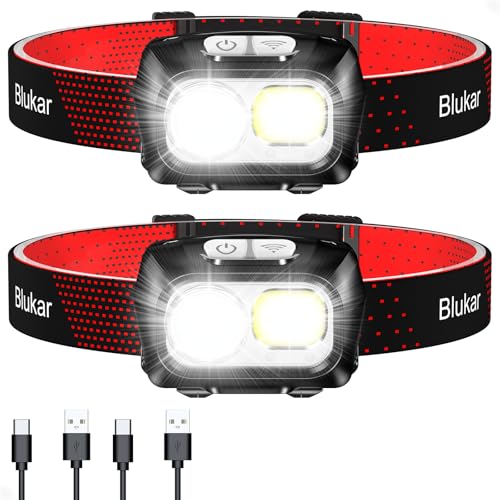
Blukar LED Headlamp Rechargeable, 2000L Super Bright Headlight Flashlight | 8 Modes&Stepless Dimming,Spotlight&Floodlight&Red Light Combination,Motion Sensor,IPX5 Waterproof for Hiking,Camping-2 Pack
Chosen because it is waterproof.
View on AmazonFrequently Asked Questions
What is the best kayak for camping?
A touring or sea kayak with sealed hatches suits camping best, because it carries a tent, a sleeping bag and two days of food while staying stable and easy to steer. A short recreational kayak can work for a single night close to home, though it fills up fast and becomes hard to handle once loaded. Check the hatch openings before you buy camping gear, since a dry bag that will not fit through a hatch is useless, and test the loaded kayak on a short paddle before a long trip.
How much gear can I pack in a kayak?
A touring kayak typically carries enough for two or three nights, including a tent, a sleeping bag, a mat, food, water and clothes, provided you pack light and use compression dry bags. The limit is volume rather than weight, so small, compressible gear matters more than strong, bulky gear. Pack the heavy items low and near the centre, keep day gear within reach, and leave anything you have not used on the last two trips at home.
Can you sleep in a kayak while camping?
No, you sleep ashore in a tent or under a tarp, not in the kayak itself, because a kayak is far too narrow and unstable for sleeping. The kayak carries the camp to the site, and the camp itself is a normal tent pitched on flat ground above the waterline. Choose a tent that packs small enough to fit through the kayak hatch, and a sleeping mat that insulates you from the cold, damp ground overnight. A tent that packs small and a mat that insulates well are worth more than a large, heavy tent.
What should I do with food at night while kayak camping?
Store food away from the tent, in a sealed bag or container hung from a tree or kept in a hard-sided box, so animals are not drawn into camp overnight. Never keep food, scented items or cooking clothes inside the tent, since the smell attracts animals even when the food is sealed. Cook and eat away from the sleeping area, clean up before dark, and pack all rubbish out with you in the morning.
FAQ
What is the best kayak for camping?
How much gear can I pack in a kayak?
Can you sleep in a kayak while camping?
What should I do with food at night while kayak camping?
More from Amazon
Programs that pair well with the guide above. Offers and eligibility are set by Amazon and may change.
Free shipping on eligible items, Prime Video and more. Eligible new members can start with a free trial.
Start a Prime free trialA Prime membership for ages 18-24 with a trial period. Eligibility is set by Amazon.
See Prime for Young AdultsAudiobooks and podcasts to listen to on the go. Eligible new members can start with a free trial.
Try Audible freeAd-free music streaming. Eligible new subscribers can start with a free trial.
Try Music Unlimited freeAs an Amazon Associate we earn from qualifying purchases.


Write Your Review
No reviews yet. Be the first to share your experience!