
Key takeaways
- The best bass boat accessories are the ones that solve a problem on the water: finding fish, holding position, keeping batteries charged.
The best bass boat accessories are the ones that solve a problem on the water: finding fish, holding position, keeping batteries charged, protecting fish in the livewell, and keeping the deck safe and organized. Anglers who start with electronics, power, and safety gear, then add comfort and convenience items, usually end up with fewer wasted purchases.
This guide sorts bass boat accessories by job, explains what to check in each category, and points out the mistakes that lead to returns and rewiring. It names no brands or models, because the right fit depends on hull size, tournament rules, and the kind of water being fished.
Start With the Job, Not the Gadget
Every accessory adds weight, wiring, and a spot to mount. Before shopping, write down what keeps going wrong: lost fish, dead batteries, poor visibility at dawn, a cluttered rod locker, or a boat that drifts off a target in wind. Matching each problem to a category keeps the list short and the boat balanced.
Also check the boat itself. Hull length and beam, available deck space, battery bank layout, and the amperage left on the charging system limit what can be added. A twenty-foot tournament rig can take a larger electronics suite than a small jon-style bass boat, but both benefit from clean wiring and fused circuits.
Electronics and Navigation
Sonar and Chartplotters
A sonar unit with a screen large enough to read at arm’s length is the foundation of most setups. Look for options that combine traditional sonar, side imaging, and down imaging, along with a GPS chartplotter with lake maps. Screen size matters, but so does brightness in sunlight and a mount that tilts and swivels. Transducer type and placement affect clarity at speed, so check whether the unit supports the transducer style that suits the hull, such as transom or trolling-motor mount.
Trolling Motor Control and Spot Lock
Trolling motors with GPS anchoring and heading hold keep the boat on a target in wind and current. Cable steering, foot pedal, and remote control options exist, and the best choice depends on whether the angler stands on the deck or uses a pedal. Voltage must match the battery bank, with twelve, twenty-four, and thirty-six volt systems all common.
Power Poles and Shallow Water Anchors
Shallow water anchors that push a pole into the bottom let anglers hold position quietly without a drop anchor. They work best in soft bottoms and moderate wind, and they add weight to the transom. Consider the transom strength and where the pole will deploy before ordering.
Power, Charging, and Wiring
Batteries and Chargers
Match battery type to the use. Starting batteries crank the engine, while deep-cycle or lithium batteries power the trolling motor and electronics. A multi-bank onboard charger tops up every battery overnight, and it removes the chore of moving chargers around in a garage. Check that the charger’s output suits the battery chemistry, since lithium and lead-acid often need different charging profiles.
Battery Switches, Fuses, and Gauges
A clean power distribution block, labeled fuses, and a battery isolator or switch make troubleshooting simple. Use properly gauged marine-grade wire with tinned copper strands and heat-shrink connectors. Poor connections are a common cause of intermittent electronics problems.
Outlets and Charging Ports
Sealed USB and twelve-volt outlets near the console keep phones and handhelds charged without running cables across the deck. Choose weather-rated covers and fused circuits.
Livewell, Fish Care, and Tournament Gear
Aerators and Recirculating Pumps
Livewell systems keep bass healthy on a long day. Timers that cycle the aerator on and off, and pumps that mix fresh water, help reduce stress. Look for rugged, marine-rated pumps and plumbing that drains fully. Cleaning the livewell after every trip prevents odors and algae.
Culling Systems and Scales
Tournament anglers often add culling tags or clips and a digital scale to track weights on the water. A durable scale with a clear display and a waterproof case works best. Check tournament rules, since some events specify equipment for weighing and handling fish.
Fish Handling Accessories
Rubberized or knotless landing nets, hook removers, and wet-hand mats reduce damage to the fish and keep tackle from tangling. These small items matter more than they appear when releasing fish alive is a goal.
Storage, Organization, and Deck Protection
Rod Storage
Rod lockers with padded holders keep expensive rods from rubbing against each other. Overhead or side-deck rod straps work for short moves. Measure the longest rod and check that the locker supports it without bending the tip.
Tackle Storage and Tray Systems
Stackable tackle trays, labeled bins, and a drawer layout sized for the common lure categories keep gear findable. Weatherproof cases keep hooks from rusting. Group tackle by technique rather than by brand to save time.
Boat Covers, Mooring Covers, and Floor Protection
A properly sized cover protects the console, seats, and electronics from sun and rain. Mooring covers are for short-term protection in the water, while travel covers are built for highway speed. Floor mats and carpet protectors reduce slipping and scratches on the deck.
Comfort and Safety
Seats, Pedestals, and Cushions
Comfort extends the time anglers can fish well. Adjustable swivel seats with solid pedestals reduce back fatigue. Mounts must be rated for the load and bolted into properly backed hull areas.
Lighting
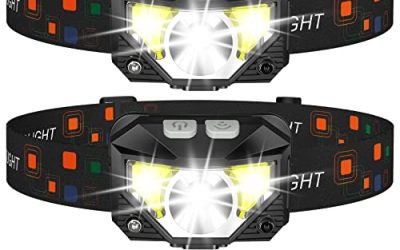
Navigation lights are required for night operation, and many anglers add flood or deck lighting for early morning launches. LED options draw less power and last longer. Confirm that the lighting meets local boating rules.
Required and Suggested Safety Gear
Life jackets for every person on board, a throwable flotation device, a fire extinguisher, a sound-producing device, and a first aid kit are standard requirements or widely followed practices. Add a kill switch lanyard, a spare propeller, and a basic toolkit. Regulations vary by state and boat size, so check current local requirements.
Matching Accessories to Fishing Style
Tournament anglers prioritize fast, repeatable systems: dual screens, a spot-lock trolling motor, a livewell timer, and tidy rod storage so the first cast of the day comes quickly. Weekend lake anglers get more value from a dependable charger, a cover, and a few comfortable seats. Anglers who fish small, shallow, or timbered lakes may care more about a quiet, precise trolling motor and a shallow water anchor than about a large display.
Fishing after dark, or in the early morning hours, changes the list again. Reliable lighting, reflective markers on the console, and a handheld spotlight become far more useful than extra screen real estate. Matching gear to how the boat is actually used keeps the cost and the clutter in check.
Budget Tiers Without Numbers
Budget accessories cover safety, basic storage, and simple lighting. Mid-range purchases add a larger sonar, an onboard charger, and a decent cover. Premium spending goes to networked electronics, GPS-enabled trolling motors, and lithium power systems. Spending on safety and wiring first is almost always smarter than a larger screen.
Common Mistakes
- Overloading the transom. Heavy items at the stern change how the boat floats and handles.
- Skipping fuses. Unprotected circuits are a fire risk.
- Buying incompatible electronics. Mixing brands can limit data sharing and transducer options.
- Ignoring battery chemistry. The wrong charger can shorten battery life.
- Mounting without backing plates. Seats and consoles can pull loose in rough water.
Related guides
- How To Fix A Bird’S Nest In A Spinning Reel
- How Long Does Braided Fishing Line Last
- Crappie Jigs For Spring
Frequently Asked Questions
What accessories should a new bass boat owner buy first?
Safety gear, a reliable onboard charger, a sonar unit, and a good cover are usually the first priorities. Livewell care items and storage can follow once the basics are working well.
Is lithium worth it for a trolling motor battery?
Lithium batteries are lighter and hold steadier voltage, which many anglers value on long days. They need a compatible charger and cost more upfront, so they make the most sense for heavy users.
Do shallow water anchors damage the bottom?
They pierce soft bottoms but cause less disturbance than dragging a conventional anchor. Rocky or very hard bottoms can limit how well they hold, so anglers should consider local conditions.
How can an angler keep wiring organized and safe?
Use marine-grade tinned wire, label each circuit, and fuse every positive lead near the power source. Heat-shrink connectors and clean routing away from moving parts prevent most electrical headaches.
FAQ
What accessories should a new bass boat owner buy first?
Is lithium worth it for a trolling motor battery?
Do shallow water anchors damage the bottom?
How can an angler keep wiring organized and safe?
More from Amazon
Programs that pair well with the guide above. Offers and eligibility are set by Amazon and may change.
Free shipping on eligible items, Prime Video and more. Eligible new members can start with a free trial.
Start a Prime free trialA Prime membership for ages 18-24 with a trial period. Eligibility is set by Amazon.
See Prime for Young AdultsAudiobooks and podcasts to listen to on the go. Eligible new members can start with a free trial.
Try Audible freeAd-free music streaming. Eligible new subscribers can start with a free trial.
Try Music Unlimited freeAs an Amazon Associate we earn from qualifying purchases.



Write Your Review
No reviews yet. Be the first to share your experience!