
Key takeaways
- How to fish from a pier for beginners: simple bottom rigs, sinker sizes, baits, pier etiquette and what to check about licenses and local rules.
The simplest way to start pier fishing is a 7 to 8 foot medium-power spinning rod, 10 to 15 lb line, a two-hook bottom rig with a 2 to 3 ounce pyramid sinker, and fresh bait cut into small pieces. Fish at first light, at dusk, or during a moving tide, and rig the lines yourself before you walk out on the boards. This guide is for first-timers who want a workable setup, a short list of baits, and the unwritten rules that keep a crowded rail friendly. Fishing licenses, gear limits and size limits differ by state and by pier, so confirm those before you go.
Quick Answer
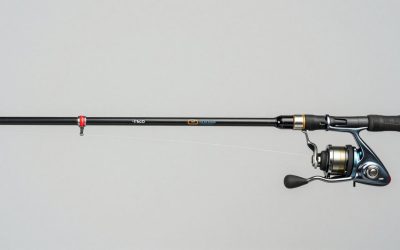
- Rod and reel: 7 to 8 ft medium spinning rod with a 3000 to 4000 size reel, spooled with 10 to 15 lb monofilament.
- Rig: high-low (two dropper loops about 10 to 12 inches apart) on a 20 to 24 inch leader of 20 to 30 lb line, with size 2 to 1/0 hooks and a 2 to 3 oz pyramid sinker.
- Bait: fresh shrimp, cut squid or cut fish in pieces about the size of your thumbnail.
- Timing: the hour around sunrise, sunset, and the first two hours of a rising or falling tide.
- Check first: whether the pier is covered by a pier license, how many rods and hooks it allows, and the local size and bag limits.
What You Need
Pier fishing needs a few pieces of tackle chosen by specification. Most people overspend on rods and underspend on the sinkers and leader they actually lose.
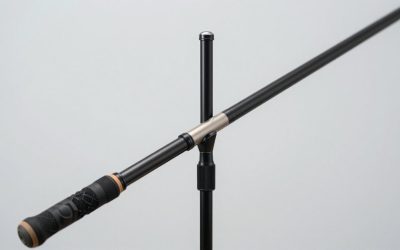
- Rod: 7 to 9 feet, medium or medium-heavy power, fast or moderate-fast action. The extra length helps you lift fish over the rail and clear pilings.
- Reel: spinning, size 3000 to 5000 depending on the water. Spinning gear is easier to cast from a raised platform and less likely to backlash.
- Main line: 10 to 20 lb monofilament for general work; braid in the 20 to 30 lb range if the pier is crowded and you need to feel a light bite.
- Leader: 20 to 40 lb monofilament or fluorocarbon for bottom rigs; heavier near barnacle-covered pilings.
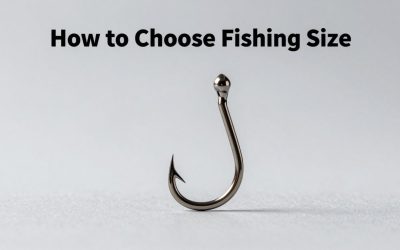
- Hooks: size 2 to 1/0 for small fish such as whiting, croaker and spot; 1/0 to 3/0 circle hooks for larger fish. Circle hooks reduce gut-hooking, which makes releasing undersized fish easier.
- Sinkers: pyramid sinkers from 1 to 4 oz hold bottom in current. Carry several sizes.
- Other items: a bucket, pliers, a sharp knife with a sheath, a towel, sunscreen, polarized glasses, and a long-handled drop net or gaff if the pier rules allow one. Fish are lifted a long way, so never haul a heavy fish up by the line alone.
Keep knives in a sheath and covered when you walk. Piers get slippery, and hooks stay in tackle boxes until needed.
Three Rigs That Cover Most Piers
| Rig | Layout | Best for | Notes |
|---|---|---|---|
| High-low (double dropper) | 20 to 24 in. leader, two dropper loops 10 to 12 in. apart, sinker at the bottom | Whiting, croaker, spot, small drum, pinfish | The most common pier rig; use 2 to 4 oz sinker in current |
| Fish-finder (sliding sinker) | Sinker slides on the main line above a barrel swivel; 18 to 24 in. leader to one circle hook | Larger fish such as redfish, striped bass, pompano | Lets a fish take bait with little resistance |
| Sabiki (bait rig) | Vertical string of 4 to 6 tiny hooks with flash; 1 to 2 oz weight at the bottom | Small baitfish for live bait | Some piers restrict multi-hook rigs in certain seasons |
Tie and Fish a High-Low Rig
- Cut about 30 inches of 25 to 30 lb leader. Tie a small loop or a barrel swivel at the top for your main line, and a loop at the bottom to hold the sinker.
- Tie a dropper loop about 10 to 12 inches above the bottom loop, and a second dropper loop another 10 to 12 inches above that. Pull each loop so it stands out from the line at about 90 degrees.
- Attach a hook to each dropper loop with a loop-to-loop connection or a snell. Attach a pyramid sinker at the bottom.
- Bait each hook with a small piece of shrimp or cut fish. Hook the bait through the thick part once or twice, leaving the point free.
- Cast away from the pier and let the sinker hit the bottom. Reel until the line is tight and the rod tip bends a little.
- Hold the rod or place it in a rod holder. A tap-tap-tap or a steady pull means a fish. Lift the rod smoothly and begin reeling. With circle hooks, do not jerk; keep reeling and let the hook set itself.
- Check bait every 10 to 15 minutes. Bait that has been picked clean is not fishing.
Match Bait and Depth to the Fish
| Target | Bait | Where on the pier | Rig |
|---|---|---|---|
| Whiting, croaker, spot | Shrimp, bloodworm-style baits, small cut fish | Sandy bottom, mid-pier to the end | High-low, size 2 to 1/0 hook |
| Flounder | Live minnow or strip bait | Pilings and edges of sand and structure | Fish-finder with 18 in. leader |
| Sheepshead | Fiddler crab or shrimp | Right at the pilings | Small strong hook, short leader |
| Mackerel or jacks (when running) | Live bait or small casting lures | End of the pier in clear moving water | Heavier line and a wire or heavy leader |
| Baitfish for live bait | Sabiki rig | Around pilings and lights | Vertical jigging |
Species vary by coast and season. Ask the pier staff or the bait shop what is biting. They often tell you the right depth, bait and sinker size.
Pier Etiquette and Rules
- Check before casting. Look over your shoulder and down the rail. Overhead casts are only safe if no one is behind you.
- Give space. Leave several feet on each side. Avoid casting across someone else’s line; if lines tangle, take your time and be polite.
- Keep gear out of walkways. Tackle boxes, buckets and rods should stay against the rail or under the bench.
- Clean up. Dispose of line, bait and trash in the bins. Fishing line is a hazard for birds.
- Handle fish with care. Wet your hands before touching a fish you plan to release, and remove the hook with pliers.
- Know the rules. Many piers limit the number of rods and prohibit cast nets or multi-hook rigs at certain times. At least one Florida state pier prohibits rigs with more than one hook during the winter months to protect seabirds, which shows how local these rules can be.
Licenses and Local Limits
In many states, public piers operate under a blanket license, so visitors can fish without buying an individual saltwater license. This is not universal, and the exemption may apply only to some piers or only to saltwater. Size limits, bag limits and closed seasons still apply even where a license is not required. Check your state wildlife agency’s website or ask the pier office before you pay or fish.
Common Mistakes
- Using too little weight. If the sinker rolls, go heavier until it holds bottom. Fish will not bite bait that is tumbling in the current.
- Large baits for small fish. Match bait to the mouth. Use pieces about the size of a thumbnail for most pier fish.
- Casting too far. Many fish are right under the pier around pilings. Try a short drop before making a long cast.
- Setting the hook hard with circle hooks. Reel steadily. A jerk pulls the hook out.
- Ignoring the sun and weather. Piers have little shade. Bring water and sunscreen, and leave if lightning is near.
- Not checking size limits. Measure any fish you plan to keep and release undersized ones quickly.
Questions
Do I need a fishing license to fish from a pier?
It depends on the state and the pier. Many public piers are covered by a blanket license, but not all are, and freshwater piers and private piers may follow different rules. Check with the pier or your state wildlife agency.
What is the best time of day to fish from a pier?
Early morning and evening tend to be best because fish move closer to shore in low light. A moving tide also improves the bite, because it carries food past the pilings.
What size sinker should I use?
Start with 2 ounces and move up in 1 ounce steps until the rig stays on the bottom. Strong current and wind may call for 3 or 4 ounces.
Should I use live bait or cut bait?
Cut bait and shrimp are the easiest for beginners and catch many species. Live bait is useful for larger fish such as flounder or mackerel but requires a bait bucket and a way to keep the bait alive.
How do I land a big fish from a high pier?
Use a drop net or a pier gaff if the pier allows one. Do not lift a heavy fish by the line, because it will break. Ask a neighbor to help if you need a hand.
Update History
- October 15, 2026 – Initial publication; details checked against current manufacturer guidance and angling references.
- Conditions, regulations and tackle specifications vary by water and region; check local rules before you fish.
Sources
- Florida Fish and Wildlife Conservation Commission, Skyway Fishing Pier State Park information
- FishingBooker, pier fishing tips for beginners
- The Tackle Room, pier fishing guide to rigs, baits and species
- PierSeeker, pier fishing rigs setup
- FishPiers, states where pier fishing without a license is permitted
Write Your Review
No reviews yet. Be the first to share your experience!