
Key takeaways
- Shallow Flats & Marsh Edges: Ideal during warmer months, especially during moving tides.
- Oyster Bars: Redfish love to ambush prey around these structure-rich areas.
- Mangrove Shorelines: Offer both food and cover for redfish.
- Channels & Passes: Redfish will hold here, particularly in cooler weather.
- Nearshore Reefs: Larger redfish can be found holding on these structures.
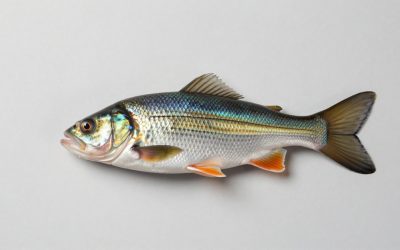
Redfish, also known as red drum, are a prized sportfish found throughout the coastal waters of the southeastern United States. Their aggressive nature, willingness to strike artificial lures, and delicious flesh make them a favorite among anglers. Targeting redfish effectively requires understanding their habits, preferred habitats, and the right tackle. This guide will equip you with the knowledge to successfully pursue these magnificent fish in their salty domain.
From shallow flats to deeper channels, redfish adapt to various environments. Whether you’re a seasoned angler or just starting out, learning to identify their feeding patterns and how to present lures will significantly increase your success rate. Let’s dive into the strategies that will put more redfish in your boat.
Our top picks
 Strike King Redfish Magic Saltwater Spinnerbait
- The Strike King Redfish Magic Saltwater Spinnerbait fishing…
- The lure features with chip resistant paint and…
- The 1/4-ounce lure features a heavy gauge gold…



As an Amazon Associate we earn from qualifying purchases at no extra cost to you.
⚡ Save on Your Next PC — Amazon Prime
Prime members get fast free shipping on the systems above, plus early access to Prime Day & Black Friday PC deals. New members get a 30-day free trial.
Watch: How to Target Redfish in Coastal Saltwater — Video Review
Understanding Redfish Habitat and Behavior
Redfish are highly adaptable and can be found in a wide range of coastal saltwater environments. In the warmer months, they often congregate in shallow, protected areas like salt marshes, mangrove shorelines, and oyster beds. These areas provide ample food sources, such as crabs, shrimp, and smaller baitfish, and offer refuge from predators. Look for water depths from a few inches to about 3 feet, especially during outgoing tides when bait is flushed out of these areas. As the water cools in the fall and winter, redfish tend to move into deeper channels, passes, and even nearshore reefs, seeking warmer, more stable water temperatures.
- Shallow Flats & Marsh Edges: Ideal during warmer months, especially during moving tides.
- Oyster Bars: Redfish love to ambush prey around these structure-rich areas.
- Mangrove Shorelines: Offer both food and cover for redfish.
- Channels & Passes: Redfish will hold here, particularly in cooler weather.
- Nearshore Reefs: Larger redfish can be found holding on these structures.
Essential Redfish Lures and Baits
The good news for anglers is that redfish are not picky eaters and readily strike a variety of artificial lures. The key is to match the lure to the conditions and the forage. Spinnerbaits are incredibly effective, especially in shallower water and around structure. The vibration and flash can trigger aggressive strikes. The Strike King Redfish Magic Saltwater Spinnerbait comes in various sizes and colors, with the 1/4-Ounce Pearl or the Blue Crab/Red Head being excellent all-around choices. For more finesse presentations or when targeting smaller redfish or when a lighter lure is needed, the 1/8-Ounce Pearl or CharGlCH versions are superb. Bomber Lures’ Drumbeater Coastal Spinnerbait in Red Pearl Silver Flash also excels at mimicking a struggling baitfish and producing enticing vibrations.
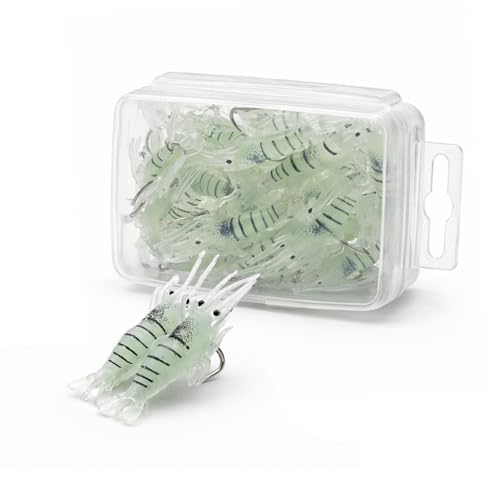
Soft plastic lures, particularly shrimp imitations, are another staple in the redfish angler’s arsenal. The realistic action and scent of these baits can be irresistible. A pre-rigged set, like the 30pcs Pre-Rigged Shrimp Fishing Lures Set, offers convenience and variety, mimicking natural shrimp with their luminous properties and realistic designs, making them effective in both clear and stained water. When using soft plastics, varying your retrieve speed is crucial to imitate the natural movement of prey.
Rigging and Presentation Strategies
How you present your lure is just as important as the lure itself. For spinnerbaits, a steady retrieve is often best, allowing the blade to spin and create attraction. In areas with heavy cover, a slightly faster retrieve can help the lure “wake” over submerged vegetation or oysters. When using soft plastic shrimp, experiment with different retrieve speeds and pauses. A slow, erratic retrieve with occasional pauses can often entice a bite from a hesitant redfish. Vertical jigging around deeper structure can also be highly effective. Always try to cast your lure as close to potential hiding spots as possible – under docks, alongside oyster bars, or in the shadows of mangroves.
- Spinnerbaits: Steady retrieve, vary speed based on cover and water clarity.
- Soft Plastics (Shrimp): Slow to moderate retrieve with pauses, mimicking natural movement.
- Jigging: For deeper water or structure, use a vertical presentation.
- Casting Accuracy: Aim for structure and cover to intercept feeding redfish.
Tackle and Gear for Redfishing
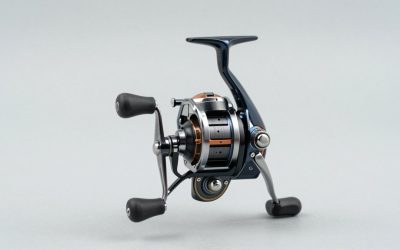
A medium-action spinning rod, typically in the 6.5 to 7.5-foot range, paired with a reliable spinning reel, is ideal for most redfish situations. This setup provides enough backbone to handle larger fish while still offering the sensitivity needed to detect subtle bites. Spool your reel with 15- to 20-pound test monofilament or fluorocarbon line. Fluorocarbon is a great choice for its low visibility and abrasion resistance, especially when fishing around oyster beds or other sharp structure. A 30- to 40-pound test fluorocarbon leader is also highly recommended to protect against sharp teeth and abrasive environments.
Seasonality and Tidal Influence
Redfish behavior is heavily influenced by the seasons and tides. During spring and summer, they are more active in shallow water, especially during the warmer parts of the day. The best fishing often occurs on an incoming or outgoing tide, as these movements concentrate baitfish and crustaceans. Fall is a prime time for redfish as they school up in larger numbers, often preparing for their spawning runs. In winter, they move to deeper, warmer waters, making them more challenging to locate but still very catchable with the right approach. Always check the tide charts before heading out; fishing the “bite” periods around the tide changes can make a significant difference.
Tips
- Always be aware of the tide and fish accordingly.
- Experiment with different lure colors and retrieve speeds.
- Listen for the characteristic “drumming” sound redfish make when they are agitated or communicating.
- Observe your surroundings for signs of baitfish activity, which often indicates the presence of redfish.
Frequently Asked Questions
What is the best time of day to catch redfish?
While redfish can be caught at any time, dawn and dusk often produce the best results, especially in shallow waters. Moving tides, whether incoming or outgoing, are generally more productive than slack tide periods.
What is the ideal water temperature for redfish?
Redfish are comfortable in a relatively wide range of water temperatures, but they are most active and aggressive in water temperatures between 70°F and 80°F (21°C to 27°C).
Are redfish aggressive feeders?
Yes, redfish are known for their aggressive feeding habits, particularly when they are actively hunting. They will often strike lures with significant force.
What is the legal size limit for redfish?
Legal size limits for redfish vary by state and season. It is crucial to check the most current regulations for the specific body of water you are fishing in to ensure compliance.
Conclusion
Targeting redfish is a rewarding experience that combines strategic planning with dynamic fishing techniques. By understanding their preferred habitats, utilizing the right lures and presentations, and paying attention to tidal and seasonal influences, you can significantly improve your chances of success. Remember to always practice responsible angling, respecting size and bag limits to ensure healthy populations for future generations of anglers.



Write Your Review
No reviews yet. Be the first to share your experience!