
Key takeaways
- Rinsing: After every fishing trip, especially in saltwater environments, thoroughly rinse your rod with fresh water. Use a hose or a bucket to ensure all salt, sand, and debris are removed. Pay close attention to the guides and reel seat.
- Drying: Gently wipe down your rod with a soft, clean towel. Ensure it’s completely dry before storing it. Moisture trapped in the guides or ferrules (where two-piece rods connect) can lead to corrosion or damage.
- Inspecting for Damage: Regularly check your rod for any signs of damage. Look for nicks, cracks, or chips in the blank, loose or damaged guide inserts, and any separation at the ferrules. Address minor issues promptly to prevent them from becoming major problems. For two-piece rods, ensure the ferrules are clean and fit snugly; a slight application of cork or rod wax can help prevent them from sticking.
- Storage: Store your rods in a cool, dry place away from direct sunlight and extreme temperatures. Rod racks or protective sleeves are ideal for preventing them from getting bent or scratched. Avoid leaning them against walls for extended periods, as this can cause them to warp.
Your fishing rods and reels are your most crucial tools for a successful and enjoyable day on the water. Like any high-performance equipment, they require proper care and maintenance to ensure longevity, optimal performance, and to prevent costly repairs or replacements. In 2026, with advancements in materials and design, taking care of your gear is more critical than ever. This guide will walk you through the essential steps to properly care for your fishing rods and reels, keeping them in top condition for years to come.
Investing in quality fishing gear is an investment in your passion. By following these maintenance routines, you’ll not only extend the life of your equipment but also enhance your fishing experience, ensuring smoother casts, reliable retrieves, and the confidence to tackle any angling challenge.
Our top picks
 PENN Reel Grease
- Reel Grease Black 2 oz
- Reel Grease Black 2 oz
- Reel Grease Black 2 oz
| Product | Key specs | |
|---|---|---|
 Clenzoil Marine & Tackle Reel Care Kit Clenzoil Marine & Tackle Reel Care Kit | Check price | |
| PENN Reel Grease | Reel Grease Black 2 oz Reel Grease Black 2 oz Reel Grease Black 2 oz | Check price |
 Kulport Telescopic Fishing Rod and Reel Combo Kulport Telescopic Fishing Rod and Reel Combo | Check price | |
 Ugly Stik 7’ Complete Saltwater Kit Fishing Ugly Stik 7’ Complete Saltwater Kit Fishing | Check price | |
 PLUSINNO Fishing Rod and Reel Combos Carbon PLUSINNO Fishing Rod and Reel Combos Carbon | Fishing Technique: Spinning Target Species: Bass Line Weight: 10 lb | Check price |
 PLUSINNO Fishing Rod and Reel Combos -24 PLUSINNO Fishing Rod and Reel Combos -24 | Fishing Technique: Casting Target Species: Bass Line Weight: 10 pounds | Check price |
 Ghosthorn Telescopic Fishing Rod and Reel Combo Ghosthorn Telescopic Fishing Rod and Reel Combo | Check price | |
 Wakeman Fishing Rod and Reel Combo Wakeman Fishing Rod and Reel Combo | Fishing Technique: Spinning Target Species: Fish Line Weight: 6 pounds | Check price |
As an Amazon Associate we earn from qualifying purchases at no extra cost to you.
⚡ Save on Your Next PC — Amazon Prime
Prime members get fast free shipping on the systems above, plus early access to Prime Day & Black Friday PC deals. New members get a 30-day free trial.
Watch: How to Properly Care for Your Fishing Rods and Reels — Video Review
Rod Care: Maintaining the Backbone of Your Setup
Your fishing rod, whether it’s a sturdy Ugly Stik 7’ Complete Saltwater Kit or a versatile Kulport Telescopic Fishing Rod and Reel Combo, is the extension of your will on the water. Proper care focuses on preserving its integrity and sensitivity.
- Rinsing: After every fishing trip, especially in saltwater environments, thoroughly rinse your rod with fresh water. Use a hose or a bucket to ensure all salt, sand, and debris are removed. Pay close attention to the guides and reel seat.
- Drying: Gently wipe down your rod with a soft, clean towel. Ensure it’s completely dry before storing it. Moisture trapped in the guides or ferrules (where two-piece rods connect) can lead to corrosion or damage.
- Inspecting for Damage: Regularly check your rod for any signs of damage. Look for nicks, cracks, or chips in the blank, loose or damaged guide inserts, and any separation at the ferrules. Address minor issues promptly to prevent them from becoming major problems. For two-piece rods, ensure the ferrules are clean and fit snugly; a slight application of cork or rod wax can help prevent them from sticking.
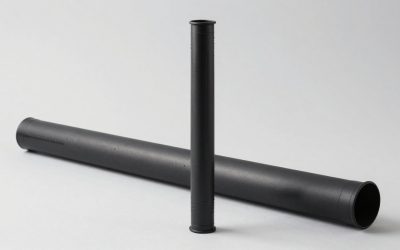
- Storage: Store your rods in a cool, dry place away from direct sunlight and extreme temperatures. Rod racks or protective sleeves are ideal for preventing them from getting bent or scratched. Avoid leaning them against walls for extended periods, as this can cause them to warp.
Reel Care: The Heart of Your Fishing System
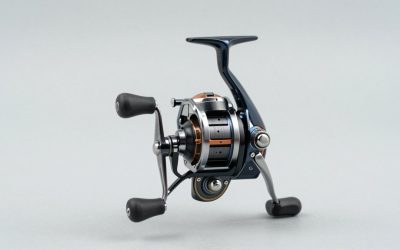
Your fishing reel, whether it’s a robust spinning reel from a PLUSINNO Fishing Rod and Reel Combos or part of a high-performance saltwater setup, requires regular attention to maintain its smooth operation and prevent corrosion. A good reel care kit, like the Clenzoil Marine & Tackle Reel Care Kit, is indispensable.
- Rinsing: Similar to rods, rinse your reel with fresh water after each use, particularly after saltwater fishing. Submerge the reel in a bucket of fresh water or use a gentle stream from a hose. Avoid high-pressure water, which can force water into sensitive internal components.
- Drying: After rinsing, dry your reel thoroughly with a soft cloth. Remove the spool and dry it separately. Let the reel air dry completely before applying lubrication.
- Lubrication: This is arguably the most critical step for reel maintenance. Once dry, apply a light coating of reel oil to moving parts such as the handle, bail arm, and line roller. Use a high-quality reel grease, like PENN Reel Grease, on gears and drag systems. Refer to your reel’s manual for specific lubrication points. Over-greasing can attract dirt and impede performance, while under-greasing leads to wear and tear. Aim for a light, even application. The frequency of lubrication depends on usage; for heavily used reels, every 10-20 trips is a good guideline.
- Cleaning Internal Components: For deeper cleaning, periodically disassemble your reel (if you’re comfortable doing so, or by a professional). Clean out old grease and dirt from gears, bearings, and other internal parts. Reassemble and re-lubricate according to the manufacturer’s instructions. For saltwater reels, this internal cleaning is especially important, ideally done at least once or twice a year.
- Drag System: Keep your drag washers clean and properly lubricated. Some drag systems require specific greases. A well-maintained drag system is crucial for fighting larger fish and preventing line breakage.
Line Management: The Connection to Your Catch
The fishing line is your direct link to the fish, and its condition directly impacts your casting distance, knot strength, and overall success.
- Inspection: Before and after each use, inspect your line for any nicks, abrasions, or weak spots. Gently run the line through your fingers. If you find any damage, cut off the affected section or replace the line entirely.
- Spooling: When spooling new line, ensure it’s done correctly to prevent line twists. For spinning reels, the line should unwind off the spool in the same direction as the reel’s rotation. For baitcasting reels, ensure the line unwinds off the spool without excessive twisting.
- Line Condition: Over time, fishing line degrades due to UV exposure, abrasion, and memory (the tendency to retain the shape of the spool). Consider replacing your line at least once a season, or more frequently if you fish in abrasive conditions or notice a decline in performance.
- Cleaning: After fishing, wipe down your line with a damp cloth to remove dirt and debris.
Storage Best Practices: Protecting Your Investment
Proper storage is crucial for preventing damage and ensuring your gear is ready when you are.
- Rod Protection: As mentioned, use rod racks or sleeves. If transporting rods, use a sturdy rod case to prevent breakage. For telescopic rods like the PLUSINNO Fishing Rod and Reel Combos Carbon Fiber Telescopic Fishing Rod, ensure they are fully retracted and secured.
- Reel Protection: Store reels in a protective bag or case to prevent scratches and dust accumulation. Avoid storing reels where they might experience heavy impact.
- Combined Storage: If using a combo, ensure the reel is properly attached to the rod and that both are stored securely, ideally in a rod and reel case or a dedicated storage unit.
- Environmental Factors: Keep your gear away from extreme heat, cold, humidity, and direct sunlight, all of which can degrade materials and lubricants.
Tips
- Always consult your rod and reel manufacturer’s specific care instructions.
- Keep a small toolkit with essential items like a soft cloth, reel oil, reel grease, and a small brush.
- Consider investing in a good quality reel cleaning kit; the Clenzoil Marine & Tackle Reel Care Kit is a popular choice.
- Never use harsh chemicals or abrasive cleaners on your rods or reels, as they can damage the finish and materials.
Frequently Asked Questions
How often should I lubricate my fishing reel?
The frequency depends on how often you fish and the conditions. For saltwater use or heavy freshwater use, lubricating every 10-20 fishing trips is a good rule of thumb. For casual anglers, once or twice a year may suffice. Always check your reel’s manual for specific recommendations.
Can I use automotive grease on my fishing reel?
No, it’s not recommended. Automotive greases are often too thick and can contain additives that are harmful to reel components. Always use lubricants specifically designed for fishing reels, such as PENN Reel Grease or other marine-grade reel oils and greases.
My telescopic rod feels stiff. What should I do?
Ensure the sections are clean and free of dirt or debris. A light application of cork wax or a specialized rod lubricant on the ferrules (where the sections join) can help them slide more smoothly. Avoid forcing the sections, as this can cause damage.
What is the best way to clean fishing line?
After fishing, simply wipe down your line with a damp, soft cloth. This removes any dirt, sand, or salt that could degrade the line over time. For more thorough cleaning, you can run the line through a soft, damp cloth several times.
Conclusion
By dedicating a small amount of time to the proper care and maintenance of your fishing rods and reels, you significantly extend their lifespan and ensure they perform at their best. Regular rinsing, drying, lubrication, and inspection are simple yet highly effective practices that will keep your gear in prime condition for countless fishing adventures. Treat your equipment well, and it will serve you faithfully for many seasons to come.



Write Your Review
No reviews yet. Be the first to share your experience!