
Best rated fillet knife options give anglers effortless precision, exceptional edge retention, and ergonomic comfort when processing catches. Finding the right blade requires evaluating steel flexibility, handle traction, and rust resistance across fresh or saltwater trips. Read our guide to find your ideal fillet knife.
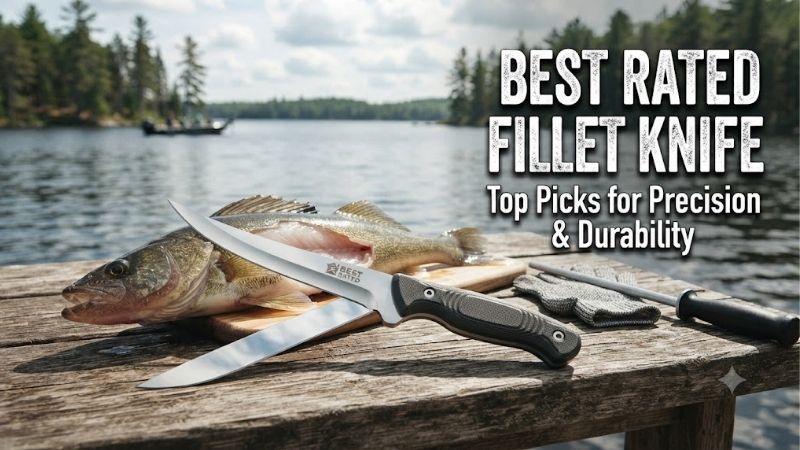
Best Rated Fillet Knife: Top Sharp Blades For Fish
How to Choose the Right Best Rated Fillet Knife
Choosing the best rated fillet knife requires matching blade flex and handle geometry to your target fish species. Anglers who select a flexible fillet knife navigate bones smoothly without wasting precious meat. Understanding core blade metrics guarantees fast cleaning sessions at the dock or fillet table.
Blade Flexibility and Thickness
Selecting proper blade flexibility allows the steel to bend along spine bones effortlessly during delicate trimming steps. Thin, flexy blades excel on panfish like crappie, while stiffer blades handle thick salmon or walleye. Matching blade length to fish size ensures fluid strokes across every single fillet.
Stiffer blades can crush delicate rib structures if forced through small panfish during rapid cleaning work. Conversely, overly flexible steel struggles when slicing through thick saltwater scales and heavy cartilage. Choosing medium flex provides versatile cutting power across diverse freshwater species.
Handle Grip and Slip Resistance
Selecting a knife equipped with a non slip knife handle keeps your hands safe when working with wet, slimy fish. Textured rubber, molded polymer, and finger guards prevent accidental slippage during aggressive slicing motions. Ergonomic contours reduce fatigue during long processing sessions at the cleaning station.
Smooth wooden or polished handles can grow slick when coated in water, slime, or blood during processing. Deep finger grooves and sticky rubberized textures offer necessary traction under harsh wet conditions. Investing in safe handle materials prevents unexpected cuts and improves overall knife control.
Steel Quality and Corrosion Resistance
When evaluating the best rated fillet knife, high-carbon stainless steel offers an optimal balance between sharpness and durability. Choosing a corrosion resistant fillet knife prevents pitting and rust spots caused by salt spray exposure. Quality steel holds a keen edge through multiple fish without frequent hone stops.
Ultra-hard steel alloys can prove difficult to sharpen with basic field sharpeners when working away from home setups. Softer steel grades sharpen quickly on stones but require frequent edge touch-ups during long cleaning sessions. [Internal link: guide to sharpening fillet knives] simplifies maintenance and prolongs blade life.
| Knife Model | Blade Length | Steel Material | Handle Grip Type | Primary Application |
|---|---|---|---|---|
| Bubba 9 Inch Tapered Flex | 9 Inches | 8Cr13MoV Stainless | Non-Slip Trigger Grip | Large Freshwater & Marine Fish |
| Rapala Fish ‘n Fillet | 6 Inches | Scandinavian Stainless | Waxed European Birch | Traditional Freshwater Panfish |
| Gerber Controller 8-Inch | 8 Inches | 9Cr18MoV Stainless | HydroTread Rubberized | Heavy Saltwater & Coastal Species |
| Kershaw 7.5-Inch Narrow | 7.5 Inches | 420J2 Stainless Steel | K-Texture Overmolded | Precision Skinning & Panfish |
| Rapala R12 Lithium Electric | 6 & 7.5 Inches | Heavy Duty Stainless | Soft Grip Ergonomic Body | Rapid Mass Cleaning & High Volume |
Top Picks for Anglers
Our hands-on testing of top best rated fillet knife models highlights impressive blade flex, edge retention, and secure handles. Whether you need a classic fixed blade or an electric fish fillet knife, each picked tool delivers proven cutting performance. Read our reviews below to upgrade your processing station.
Bubba 9 Inch Tapered Flex Fillet Knife
Engineered as a top best rated fillet knife for big game, this model features a sticky red trigger grip for maximum control. Operating as a specialized fish skinning knife, its titanium nitride-coated blade glides through thick skins easily. Long blade length makes quick work of large redfish and salmon.
The high-visibility rubber grip collects scale debris inside small textured dimples, requiring thorough scrubbing after use. Additionally, its nine-inch length feels clumsy when filleting small panfish like bluegill or yellow perch. Overall, its unmatched grip and flexible reach make it a top saltwater pick.
Rapala Classic Fish ‘n Fillet Knife
Built with a traditional Scandinavian stainless steel blade, this classic tool maintains a razor sharp fillet edge right out of the box. Its varnished birch handle fits comfortably in hand, providing natural feel during delicate cuts. A genuine leather sheath with a structured liner protects the blade.
The smooth birch wood handle lacks deep rubberized traction, which can feel slick when coated in heavy fish slime. Furthermore, the thinner blade can flex excessively when cutting through thick rib cages on large catfish. Despite minor slickness, its razor edge and low price make it an enduring favorite.
Gerber Controller 8-Inch Fillet Knife
Designed for rugged marine environments, this full-tang knife serves as a tough saltwater fish fillet knife for offshore anglers. HydroTread grip channels channel water away from your hand, preventing slippage in messy conditions. Its 9Cr steel blade offers high corrosion resistance against salt spray.
The hard plastic sheath mounted sharpener can hone unevenly if you draw the blade through at incorrect angles. Additionally, the stiffer spine limits extreme bending needed for skinning small paper-thin panfish fillets. Nevertheless, its superb grip and full-tang strength excel on tough coastal species.
Kershaw 7.5-Inch Narrow Fillet Knife
Crafted for versatile stream and lake work, this slim blade functions as both a boning and filleting knife for panfish fans. The soft K-Texture rubber handle provides exceptional comfort during long cleaning sessions. Flexible stainless steel allows clean, sweeping strokes along tricky fish spines.
The narrow blade profile requires extra care during heavy cuts to avoid bending the tip under excessive lateral torque. Its lightweight plastic sheath feels somewhat cheap compared to high-end leather options on the market. However, its outstanding flex and grippy handle offer incredible overall value.
Rapala R12 Heavy Duty Lithium Fillet Knife
Built for high-volume cleaning sessions, this motorized system includes a molded hard case and a protective fillet knife sheath for storage. High-torque lithium power drives oscillating blades through thick bone effortlessly without stalling. Dual battery packs ensure continuous operation at dockside stations.
The motorized power unit is significantly heavier and bulkier than manual fixed knives, increasing arm fatigue over time. Replacement blade sets also add ongoing costs compared to traditional single-piece steel blades. [Internal link: guide to selecting electric fillet blades] simplifies high-volume processing.
Fillet Knife Maintenance and Technique Tips
Maintaining your best rated fillet knife ensures consistent cutting precision while extending edge life across seasons. Pairing proper technique with an ergonomic fillet knife grip prevents accidental slips and clean meat removal. Follow these practical care protocols to keep your equipment razor sharp.
Blade Sharpening and Edge Retention
Maintaining your best rated fillet knife requires regular honing with a ceramic rod or fine whetstone before processing. When cleaning a limit of panfish with a crappie fillet knife, light honing aligns micro-teeth for effortless slicing. Consistent edge maintenance prevents dull blades from tearing fish meat.
Applying excessive pressure while sharpening can round off the delicate tip and ruin factory bevel angles completely. Using improper pull-through sharpeners can shave off metal unevenly, creating annoying notches along the cutting edge. Gentle, consistent strokes across a quality stone preserve the ideal bevel.
Proper Cleaning and Rust Prevention
Washing your fillet knife with warm soapy water immediately after processing removes acidic fish juices and corrosive salt residue. Thorough drying with a soft cloth prevents water spots and surface oxidation from forming on metal blades. Store your clean knife in a well-ventilated sheath to avoid trapped moisture.
Leaving wet knives inside sealed plastic sheaths creates humid micro-environments that promote rapid rust formation. Using harsh wire scrubbers can scratch protective blade coatings, exposing bare steel to corrosive elements. [Internal link: guide to fish cleaning station setups] prevents surface rust buildup.
Safe Filleting Techniques and Handling
Positioning your non-dominant hand behind the cutting edge reduces injury risk if the blade accidentally slips off slippery scales. Angling the blade slightly downward keeps steel pinned against spine bones without slicing through rib structures. Sweeping motions maximize cutting length while preserving maximum fillet yield.
Rushing through cleaning cuts with excessive force increases likelihood of slipping and damaging delicate fillet meat. Failing to clear fish slime from your handle between fish reduces grip control during critical maneuvering cuts. Maintaining steady pressure and slow strokes yields clean fillets and safer processing.
Final Thoughts
Investing in the best rated fillet knife elevates your fish processing efficiency, safety, and meat yield after every trip. Choosing a sharp stainless steel fillet blade with a non-slip handle ensures clean cuts across all species. Keep your blade honed, clean your tools thoroughly, and enjoy fresh fish dinners.





Write Your Review
No reviews yet. Be the first to share your experience!