
Key takeaways
- Finds productive depth faster: Instead of drilling holes at random, you can check the water column and bottom contour before committing to a spot.
- Shows your lure: Seeing the bait helps you keep it in the strike zone and confirms whether your jigging motion is reaching the intended depth.
- Reveals fish behavior: A mark rising toward your lure tells you to keep working the presentation, while a mark that refuses to move may call for a smaller bait or slower motion.
- Makes hole-hopping more efficient: Mobile anglers can quickly decide whether a new hole is worth fishing.
- Helps with unfamiliar lakes: GPS waypoints and depth information can make it easier to return to productive areas, provided local regulations allow the device.
- Improves learning: New anglers can connect what they feel on the rod with what is happening beneath the ice.
The Short Answer
Do I need a fish finder for ice fishing? Usually, no—but you should buy one if you want to quickly identify depth, locate structure, and see how fish respond to your bait. An ice-fishing fish finder is helpful rather than essential: you can catch fish with a rod, a depth map, and patience, but electronics can eliminate much of the guesswork.
For many anglers, the decision comes down to how often they fish and whether they are willing to spend roughly $140 to $250 for a basic, portable unit. If you fish only once or twice each winter, skipping the fish finder may make sense. If you fish regularly or move between holes looking for active fish, it can be one of the most useful pieces of equipment in your shelter.
Our top picks

 Garmin 010-01550-00 Striker 4 with Transducer
- Product Group: Wireless
- Binding: Wireless Phone Accessory
As an Amazon Associate we earn from qualifying purchases at no extra cost to you. Ratings are shown as listed on Amazon.
What You Actually Get
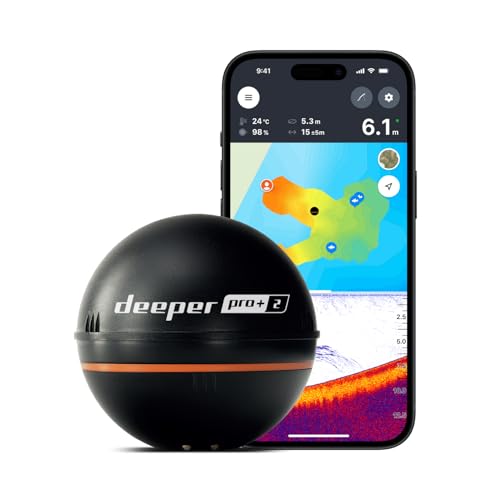
An ice-capable fish finder uses a transducer lowered through the hole to send sound waves into the water. The unit then displays information such as water depth, bottom shape, suspended targets, and your lure’s position. Some models also show water temperature, GPS coordinates, maps, and basic navigation data.
The biggest benefit is immediate feedback. You can see whether you are fishing in 8 feet or 38 feet of water, whether the bottom is flat or irregular, and whether your bait is below the fish. On a good day, you may also see fish rise toward the lure, hesitate, or move away. That lets you change jigging speed, bait size, or presentation instead of fishing blindly.
Entry-level units typically use a small color display and a single transducer. The Garmin Striker 4 with transducer, for example, has a 3.5-inch screen, CHIRP sonar, and GPS functionality. Its listed price is about $139.99. The Garmin Striker 4 portable kit also uses a 3.5-inch display but includes a more convenient carry-and-deploy setup; its listed price is about $249.99.
That price difference matters. A bare fish finder may require you to provide a battery, carrying case, transducer float, and other mounting pieces. A portable kit costs more because it is designed to be carried onto the ice and set up beside a hole. Before buying, confirm what is included in the package and whether it is intended for ice use. A boat transducer setup may work in open water but be awkward on the ice.
Battery planning is also important. Many portable systems use a small 12-volt lead-acid or lithium battery. A compact 7-amp-hour lead-acid battery may power an entry-level unit for several hours, while a larger 9- to 12-amp-hour battery can provide more margin in cold weather. Lithium batteries are lighter, but they typically cost more. Keep any battery insulated and avoid charging it when it is below freezing unless the manufacturer specifically allows it.
Pros
- Finds productive depth faster: Instead of drilling holes at random, you can check the water column and bottom contour before committing to a spot.
- Shows your lure: Seeing the bait helps you keep it in the strike zone and confirms whether your jigging motion is reaching the intended depth.
- Reveals fish behavior: A mark rising toward your lure tells you to keep working the presentation, while a mark that refuses to move may call for a smaller bait or slower motion.
- Makes hole-hopping more efficient: Mobile anglers can quickly decide whether a new hole is worth fishing.
- Helps with unfamiliar lakes: GPS waypoints and depth information can make it easier to return to productive areas, provided local regulations allow the device.
- Improves learning: New anglers can connect what they feel on the rod with what is happening beneath the ice.
Cons
- Added cost: A practical setup can range from roughly $140 to $300 after adding a battery, case, and small accessories.
- More gear to carry: The unit, transducer, battery, cables, and protective box take up space in a sled or bucket.
- Cold reduces battery performance: Batteries may run for less time in freezing conditions, especially if they sit exposed to wind.
- It does not guarantee fish: A screen can show fish, but it cannot make inactive fish bite or replace good location, bait, and presentation choices.
- There is a learning curve: Beginners must learn to distinguish the bottom, lure, vegetation, and fish marks. The display is useful only if you understand what it is showing.
- Small screens can be harder to read: A 3.5-inch display is compact and portable, but it offers less viewing space than larger ice-fishing sonar systems.
Who Should Buy It
Buy a fish finder if you plan to ice fish several times during the season, especially if you enjoy exploring new water. It is also a smart purchase for anglers who fish deeper lakes, target suspended species, or prefer moving until they find activity rather than waiting in one location.
A basic 3.5-inch unit is enough for many recreational anglers. You do not necessarily need live sonar, a large display, or premium mapping to get the main benefits. A unit such as the Garmin Striker 4 can provide depth, sonar feedback, and GPS features without reaching the price of more advanced systems. The portable version is worth considering if you want a self-contained package that is easier to transport and set up.
Choose a more capable system if you regularly fish in deep water, need detailed mapping, share the display with a partner, or spend long days on the ice. A larger screen is easier to read through sunglasses and from several feet away, but it also increases cost, power consumption, and carrying weight.
Who Should Skip It
Skip the fish finder if you ice fish once a year, always visit the same well-known spot, or enjoy a simple, low-gear approach. If your budget is tight, money may be better spent on warm clothing, a quality auger, reliable shelter, or better bait.
You can still fish effectively with a hand auger, a depth sounder, a printed or mobile lake map, and local knowledge. Tip-ups and traditional jigging do not require electronics. In shallow water with obvious structure, visual clues such as weed lines, points, and previous-season knowledge may be enough.
Also skip it if you are unlikely to learn how to use it. A fish finder left in a sled is not useful, and constantly watching the screen can distract from watching your line, feeling subtle bites, or enjoying the outing.
Cheaper Alternatives
| Option | Cost | Trade-off |
|---|---|---|
| Use a lake-depth map and known spots | $0-$15 | Lowest cost, but you cannot confirm the exact depth or see fish beneath a particular hole. |
| Manual depth finder or marked line | $10-$30 | Shows depth only; it does not reveal fish, bottom composition, or lure response. |
| Borrow or rent a fish finder | $20-$75 per day | Good for occasional trips, but availability, setup, and battery condition can vary. |
| Garmin Striker 4 with transducer | About $139.99 | Affordable sonar and GPS, but you may need to add a battery, case, and ice-specific carrying setup. |
| Garmin Striker 4 portable kit | About $249.99 | More convenient for transport and deployment, but costs roughly $110 more than the basic package. |
FAQ
Can I use a regular fish finder for ice fishing?
Sometimes. The display unit may work, but the transducer and mounting system must be suitable for use through an ice hole. A boat transducer attached to a rigid mount is less convenient than an ice-fishing transducer on a float or deployable arm. Check the manufacturer’s instructions before using the equipment in freezing conditions.
What is the minimum fish finder I need for ice fishing?
A basic sonar unit with a readable color screen, depth display, adjustable sensitivity, and an ice-compatible transducer is enough for most beginners. GPS is useful but not mandatory. A 3.5-inch screen can do the job, although a 5-inch or larger display is easier to read and interpret.
Does a fish finder work in shallow water?
Yes, but performance depends on the unit, transducer, water clarity, and settings. In very shallow water, the lure and bottom may appear close together on the screen, making interpretation more difficult. Lowering sensitivity and using an appropriate shallow-water setting can help reduce clutter.
Is a fish finder worth it for a beginner in 2026?
It can be, but it is not the first item every beginner needs. Learn basic safety, ice conditions, knots, bait selection, and fish location first. If you expect to fish more than a few times and can spend roughly $150 to $250, an entry-level portable fish finder can shorten the learning curve and make each trip more informative.
The honest answer is that you do not need a fish finder to go ice fishing. You need one only if the extra information, mobility, and convenience justify the cost and added equipment. For frequent anglers, that trade-off is often worthwhile; for occasional anglers, simple tools and local knowledge may be all they need.


Write Your Review
No reviews yet. Be the first to share your experience!