
Key takeaways
What's inside
- Understanding Line Strength and Knot Integrity
- The Palomar Knot: The Industry Standard for Versatility
- The Improved Clinch Knot: A Time-Tested Classic
- The San Diego Jam Knot: Strength for Heavy Monofilament
- The Non-Slip Mono Knot: Maximizing Lure Action
- How to Choose the Best Knot for Monofilament Fishing Line
- Conclusion
- Related Articles
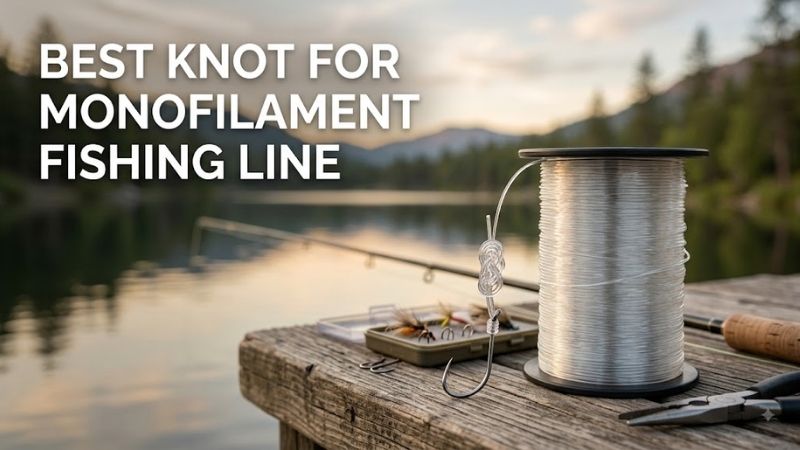
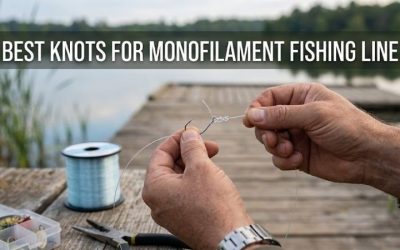
The Best Knot For Monofilament Fishing Line must balance strength, ease of tying, and reliability, which is why our team at fishnholeoutdoors.com has analyzed the top-performing connections for 2026. Whether you are rigging up light trout setups or heavy saltwater gear, matching your knot to your specific line and presentation is the key to landing more fish.
- Understanding Line Strength and Knot Integrity
- The Palomar Knot: The Industry Standard for Versatility
- The Improved Clinch Knot: A Time-Tested Classic
- The San Diego Jam Knot: Strength for Heavy Monofilament
- The Non-Slip Mono Knot: Maximizing Lure Action
- How to Choose the Best Knot for Monofilament Fishing Line
- Conclusion
- Related Articles
🛒 Best Price Today on Amazon
Prime members get fast, free shipping on everything above, plus member-only deals. New members get a 30-day free trial — cancel anytime.
Understanding Line Strength and Knot Integrity
Before diving into the specific ties, I want to explain why monofilament behaves differently under tension than braid or fluorocarbon. Understanding these physical traits will help you avoid sudden break-offs at the water’s edge.
| Knot Name | Estimated Strength Retention | Primary Advantage | Best Line Class |
|---|---|---|---|
| Palomar Knot | 95% | Incredibly easy to tie in low light | 2 lb to 20 lb |
| Improved Clinch | 90% to 95% | Fits through very small hook eyes | 4 lb to 15 lb |
| San Diego Jam | 94% | Excellent slip resistance on slick lines | 15 lb to 50 lb+ |
| Non-Slip Mono Knot | 95% to 100% | Allows maximum lure/fly action | 6 lb to 30 lb |
Why Monofilament Requires Specific Knots
Monofilament is made from a single strand of nylon, which inherently stretches and compresses under load. Because of this elasticity, certain knots can slip or cut into themselves if they are not wrapped correctly.
Unlike braided lines that require high-friction wraps to prevent slipping, monofilament needs knots that distribute stress evenly across the line’s diameter. If a knot creates a sharp pinch point, it will significantly reduce the overall breaking strength of your setup.
The Importance of Line Lubrication
When you pull a knot tight, the friction between the nylon strands generates heat. This heat can actually melt and weaken the monofilament before you even cast your line.
I always advise anglers to wet their line with water or saliva before cinching any connection. Lubrication allows the wraps to slide smoothly into place, ensuring the knot seats perfectly without compromising the structural integrity of the nylon.
The Palomar Knot: The Industry Standard for Versatility
If I could only recommend one terminal connection to a beginner, it would be this double-line classic. It consistently ranks at the top of independent strength tests and remains a favorite among professional anglers.
Why It Is the Top Choice for Terminal Tackle
The Palomar knot is highly regarded because it doubles the line as it passes through the eye of your hook or swivel. This double-loop design distributes the load across two strands of monofilament instead of one, resulting in roughly 95% strength retention as of 2026 database testing.
Because it relies on a simple overhand knot followed by passing the loop over the entire hook or lure, there are very few steps where you can make a mistake. It is highly forgiving, even when tied with cold, wet hands.
Best Scenarios for Use
This is the ultimate connection for single hooks, swivels, and snaps. It is particularly effective for drop-shot rigs where you need the hook to sit perpendicular to the line.
However, I would caution against using it with large, multi-treble lures. Passing a massive topwater plug or deep-diving crankbait through the loop can be incredibly awkward and often leads to tangled hooks.
The Improved Clinch Knot: A Time-Tested Classic
For generations, anglers have relied on this traditional wrap to secure their terminal tackle. While newer designs exist, its efficiency on the water keeps it in every veteran’s rotation.
The Reliability of the Classic Clinch
The Improved Clinch builds on the standard clinch by tucking the tag end back through the final loop. This extra step prevents the line from slipping out under heavy pressure, maintaining about 90% to 95% of the line’s original strength.
It is exceptionally clean and leaves a very small profile, which is perfect for avoiding weeds and debris. It is a fundamental tie that every angler should memorize.
When to Choose This Over the Palomar
I recommend choosing the Improved Clinch when you are fishing with very small hooks or flies where a doubled line simply will not fit through the eyelet. It is also the superior choice when you want to avoid wasting line, as it requires less tag-end material to tie successfully.
Be aware that with very thick monofilament (over 20-pound test), the wraps can become too bulky to cinch down properly. Keep this one reserved for your light-to-medium freshwater setups.
The San Diego Jam Knot: Strength for Heavy Monofilament
When you start targeting larger species with thick-diameter lines, standard wraps can become bulky and difficult to seat. I highly recommend turning to this heavy-duty option when your target species demand heavier gear.
Managing Heavier Line Diameters
The San Diego Jam knot was originally popularized by the tuna fleet in Southern California, where heavy monofilament is the norm. It utilizes a series of downward wraps followed by an upward pass, which allows the line to slide together smoothly without binding up.
Because the wraps sit parallel to each other, it minimizes the risk of the line cutting into itself. This parallel structure is crucial for maintaining strength when using lines above 15-pound test.
Advantages for Saltwater Applications
If you are rigging up heavy monofilament leaders for saltwater fishing or casting large swimbaits, this is the connection to use. It offers incredible slip resistance, even when subjected to the sudden, violent runs of large gamefish.
It also works exceptionally well with fluorocarbon, making it a highly versatile tool to have in your angling arsenal. It is slightly more complex to tie, but the security it offers is unmatched in heavy-line classes.
The Non-Slip Mono Knot: Maximizing Lure Action
Sometimes a tight-gripping knot actually hurts your presentation by restricting how your lure moves through the water. This loop connection is my go-to choice when natural movement is paramount.
How the Loop Improves Presentation
Unlike terminal connections that cinch down tight against the eye of the hook, the Non-Slip Mono Knot forms a fixed loop. This loop allows your lure or fly to pivot and swing freely, maximizing its built-in swimming action.
According to 2026 strength databases, this loop connection actually retains close to 100% of the line’s unknotted strength. Because the line is not compressed against metal, it retains its full shock-absorbing capabilities.
Ideal Lure and Fly Fishing Applications
If you are fishing topwater walking baits, jig heads, or streamer flies, this loop will dramatically improve your presentation. The free-floating design allows a walking bait to glide further side-to-side and gives jigs a more natural jigging motion.
I suggest keeping the loop relatively small—about the size of a dime—to prevent the hook from swinging backward and fouling on your main line during a cast.
How to Choose the Best Knot for Monofilament Fishing Line
Selecting the right connection depends entirely on your target species, your line weight, and the type of lure you are using. There is no single option that excels in every single fishing scenario.
If you are casting 10-pound Trilene Big Game monofilament for bass with standard worm hooks, the Palomar knot is almost always your best bet due to its sheer strength and simplicity. However, if you switch to a topwater popper on that same line, tying a Non-Slip Mono Knot will give the lure a much better spitting action on the surface.
For offshore anglers using 30-pound monofilament to chase saltwater species, skip the lighter ties entirely. The San Diego Jam knot will handle the thick diameter and high tension of a big fish far better than a standard clinch, which is prone to slipping or burning under heavy loads.
Check the latest price on Amazon:
- Best Color For Braided Fishing Line: Ultimate Top Choices
- What Is The Best Braided Fishing Line For Ultimate Power
- Best Color Braid Fishing Line: Proven Choices for Success
- Best Night Time Bass Fishing Lures: Ultimate Proven Choices
- Best Fishing Lures For Flounder: Ultimate Proven Choices
Conclusion
Mastering these four connections will prepare you for virtually any freshwater or saltwater scenario you encounter. By matching the right tie to your line size and lure type, you ensure that your gear performs at its absolute peak when you hook into a trophy fish.
For more detailed rigging guides, tackle reviews, and expert angling tips, be sure to visit us at fishnholeoutdoors.com. Grab your spool of monofilament, practice these wraps at home, and head out to the water with complete confidence in your gear.
Write Your Review
No reviews yet. Be the first to share your experience!